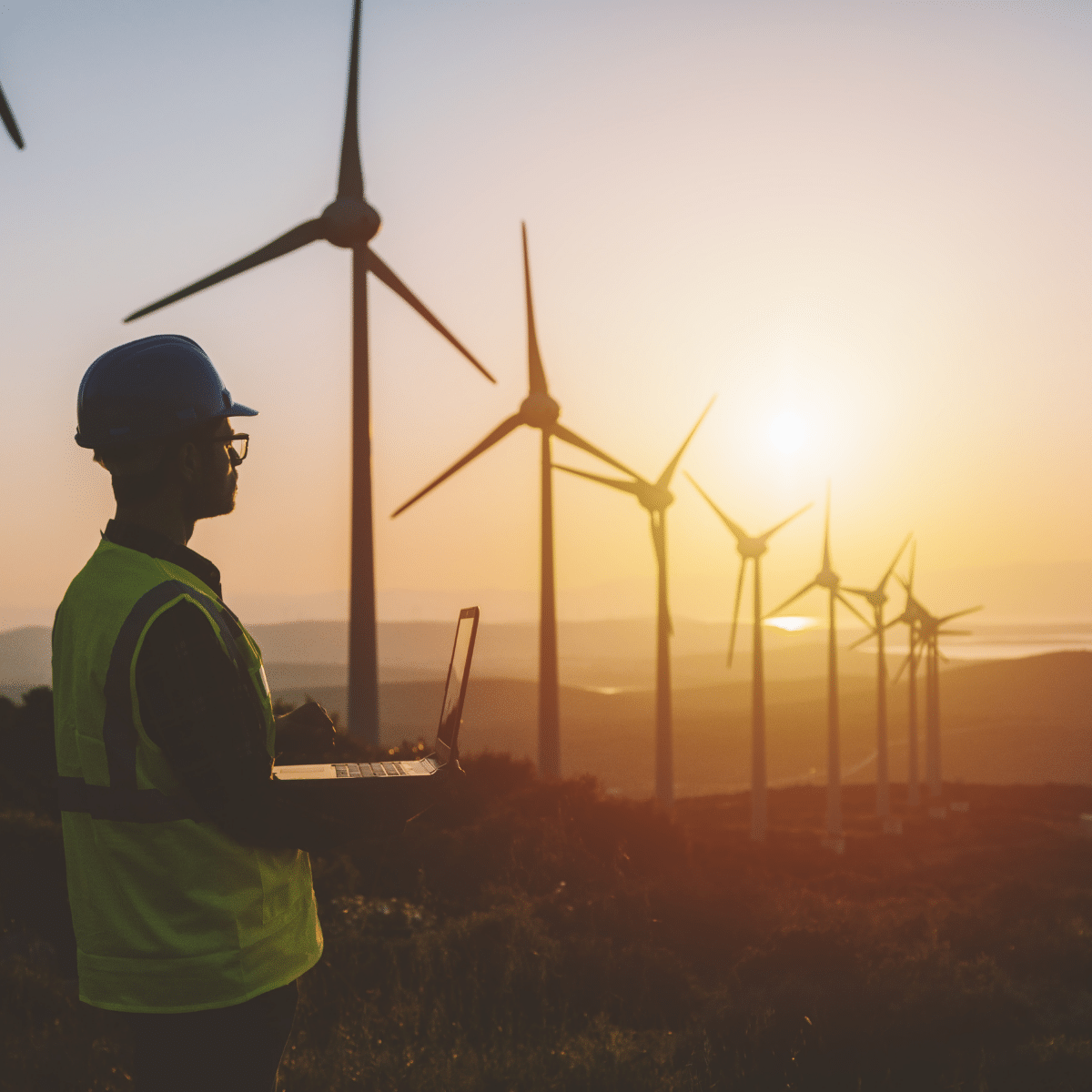
Projects we've supported through the East Midlands Investment Zone

Investing in skills, innovation, and infrastructure

The East Midlands Investment Zone (EMIZ) is supporting projects across the region.

The 10-year programme aims to unlock millions of pounds in investment – creating new opportunities for businesses and communities, and laying the foundations for thousands of high-quality jobs in the region.

Launched in October 2024 with £160 million of funding from the Government, EMIZ is designed to supercharge growth across the region by focusing on two key strengths: clean energy industries and advanced manufacturing.

Here are some of the projects that have benefitted from the East Midlands Investment Zone programme.

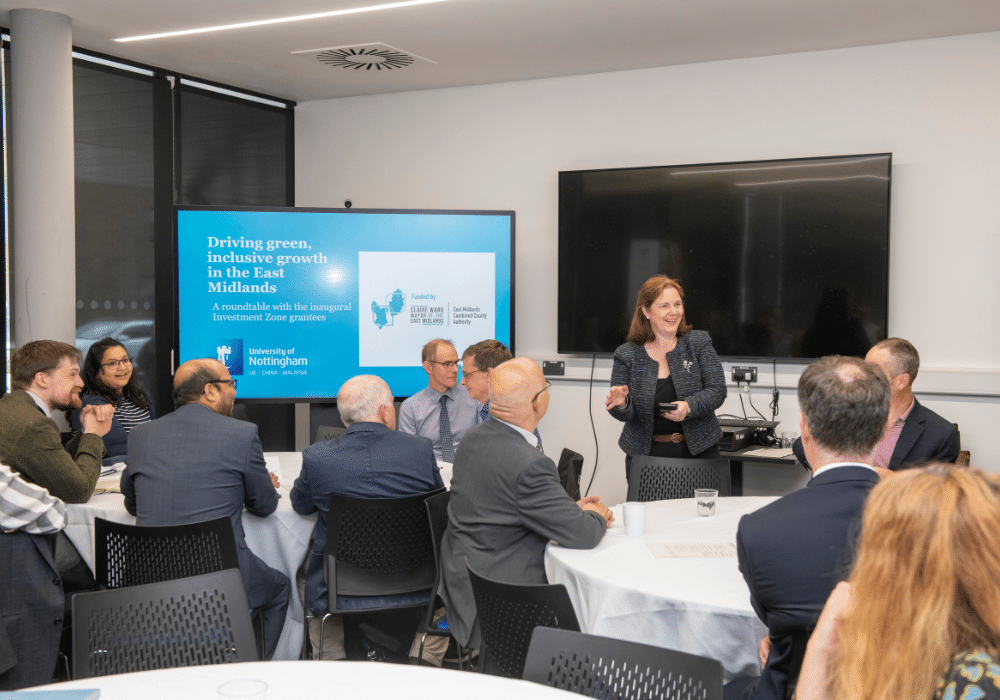
Mayor Claire Ward delivers speech to recipients of East Midlands Investment Zone funding and strategy at roundtable event

Our case studies

Clean energy skills

Planning for future clean energy skills in the East Midlands (opens in a new window)

To support the growth of the clean energy and advanced manufacturing sectors, this project mapped the current skills in the region, identified future needs, and created a clear plan to guide investment in skills and training. University of Derby led this project with support from Nottingham Trent University, Nottingham College, Chesterfield College, Make UK, and Derbyshire County Council.
DRIIVe

Innovation and training for a sustainable rail industry (opens in a new window)

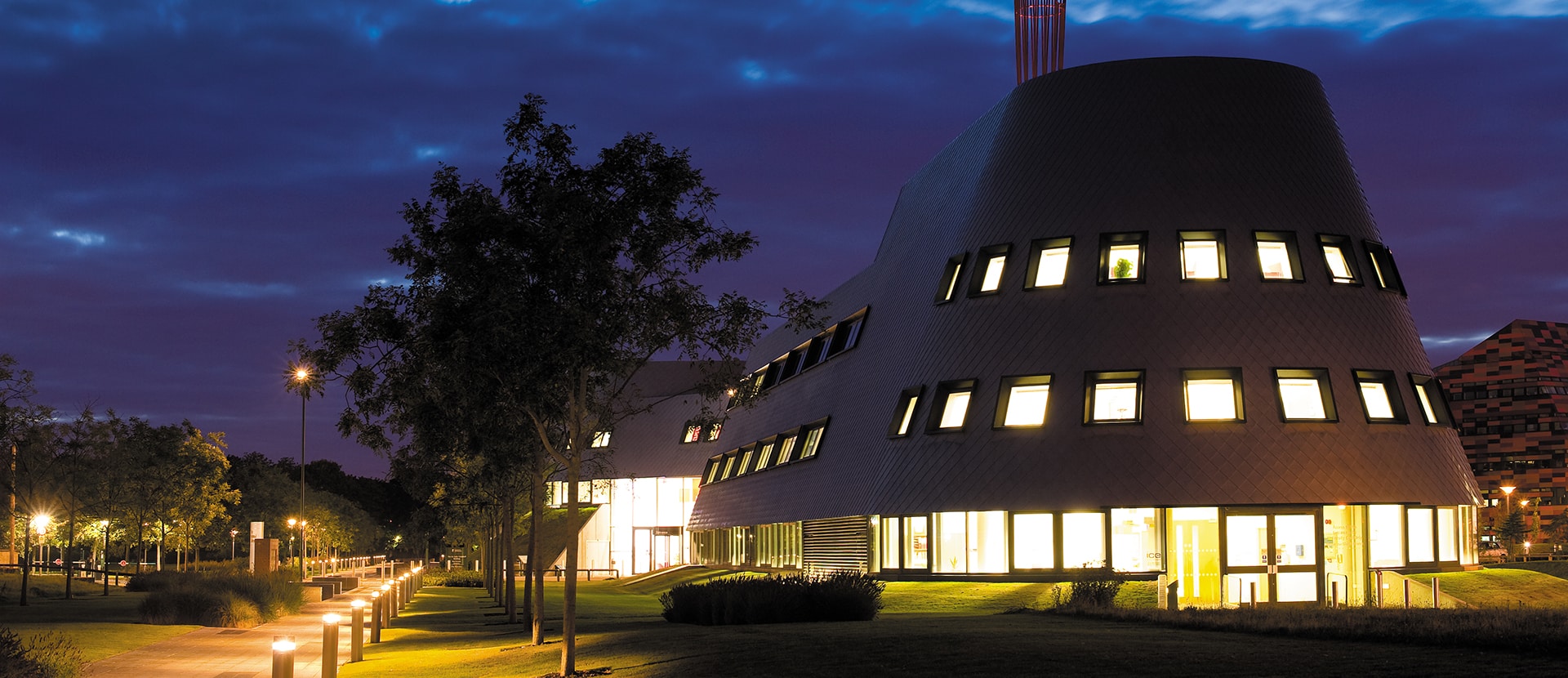
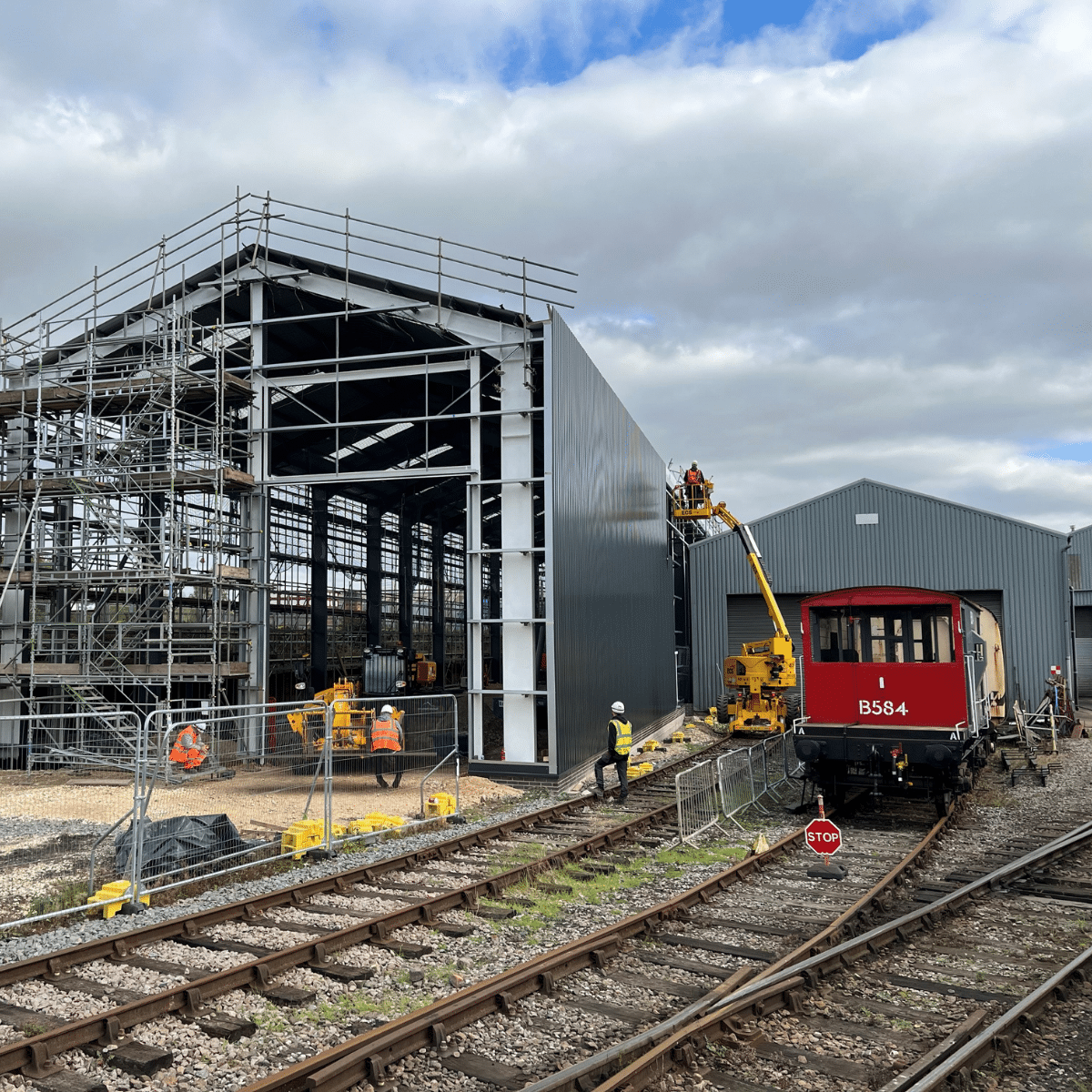
The Derbyshire Rail Industry Innovation Vehicle (DRIIVe) will be a new, modern innovation and training centre focused on the rail industry. The centre will provide space for research, training, and commercial activity to help make rail transport more efficient and more sustainable. Chesterfield Borough Council, Barrow Hill Ltd, and University of Derby have delivered this project.

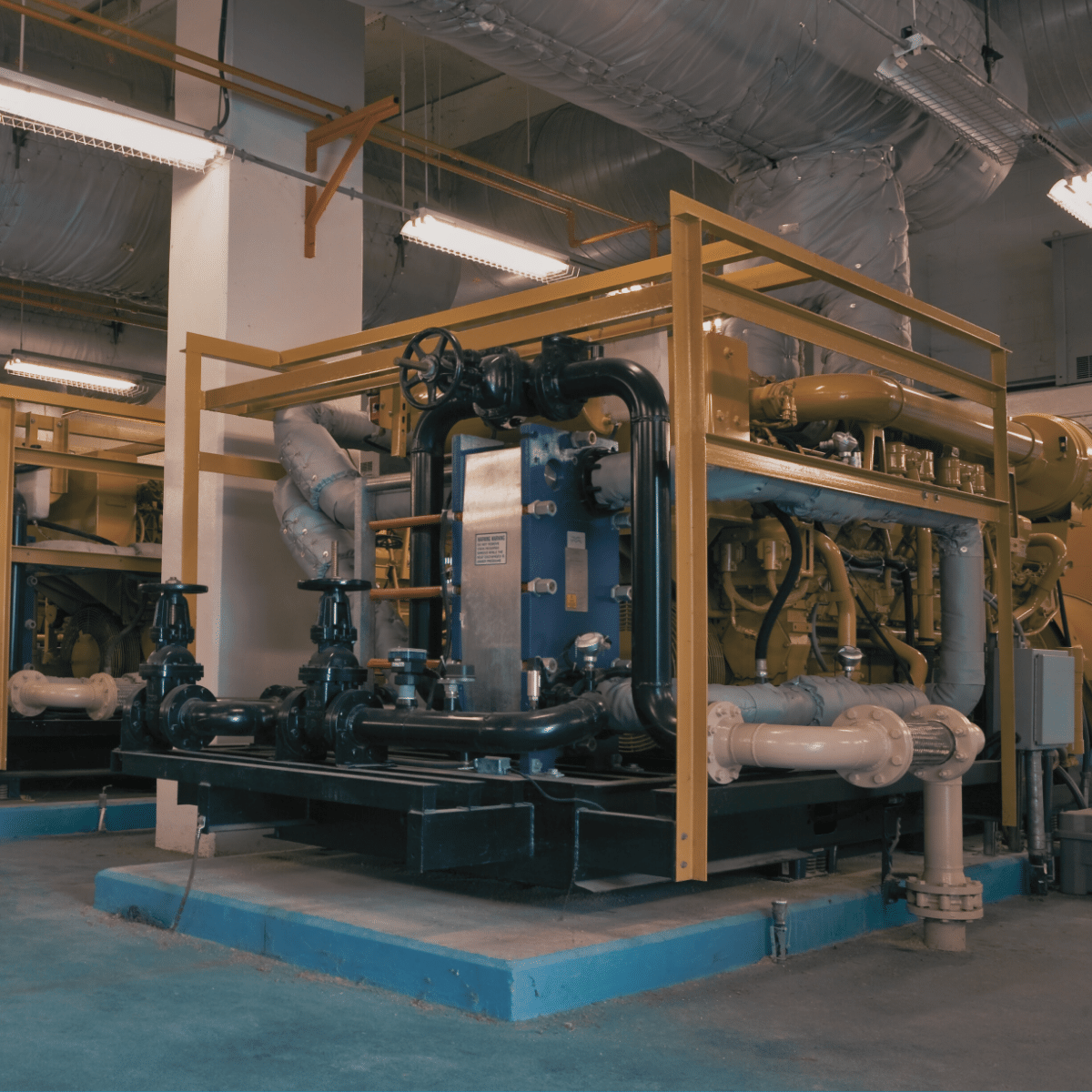
Generator

Decarbonising natural gas generators (opens in a new window)

This project developed a system that lets existing natural gas power plants run partly on ammonia, a low-carbon fuel. The system can be added to generators that are already in use, which means companies don’t need to replace their equipment to cut emissions. The work was led by the University of Nottingham in partnership with the company Blue-Drive Propulsion Ltd.

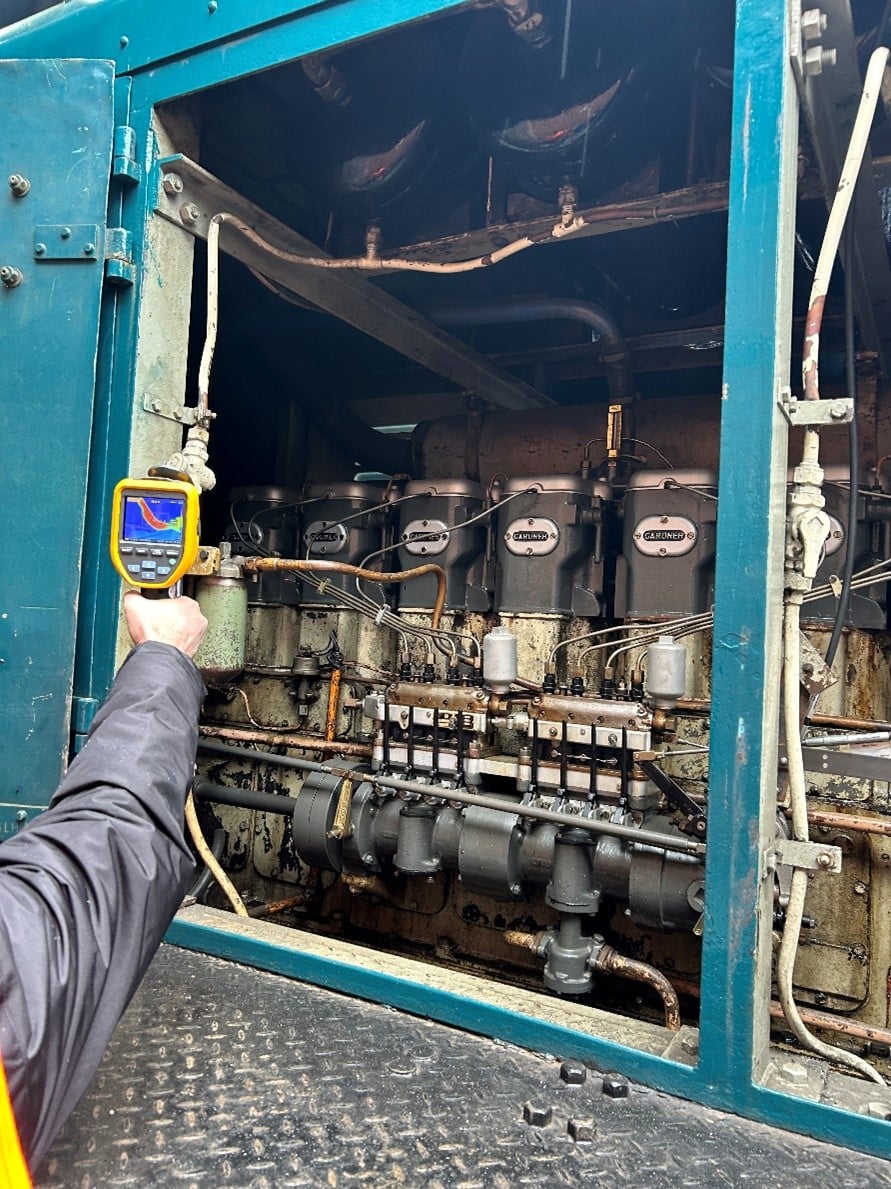
Carbon capture for trains

Carbon capture for cleaner diesel trains (opens in a new window)

Diesel-powered trains are a major source of carbon emissions in the UK. Electrification is a long-term solution, but it’s expensive and not practical for all rail lines. This project, led by Barrow Hill Ltd and the University of Derby, explores a way to retrofit diesel locomotives with a system that captures CO₂ directly from the exhaust, helping the rail sector cut emissions and meet net zero targets.

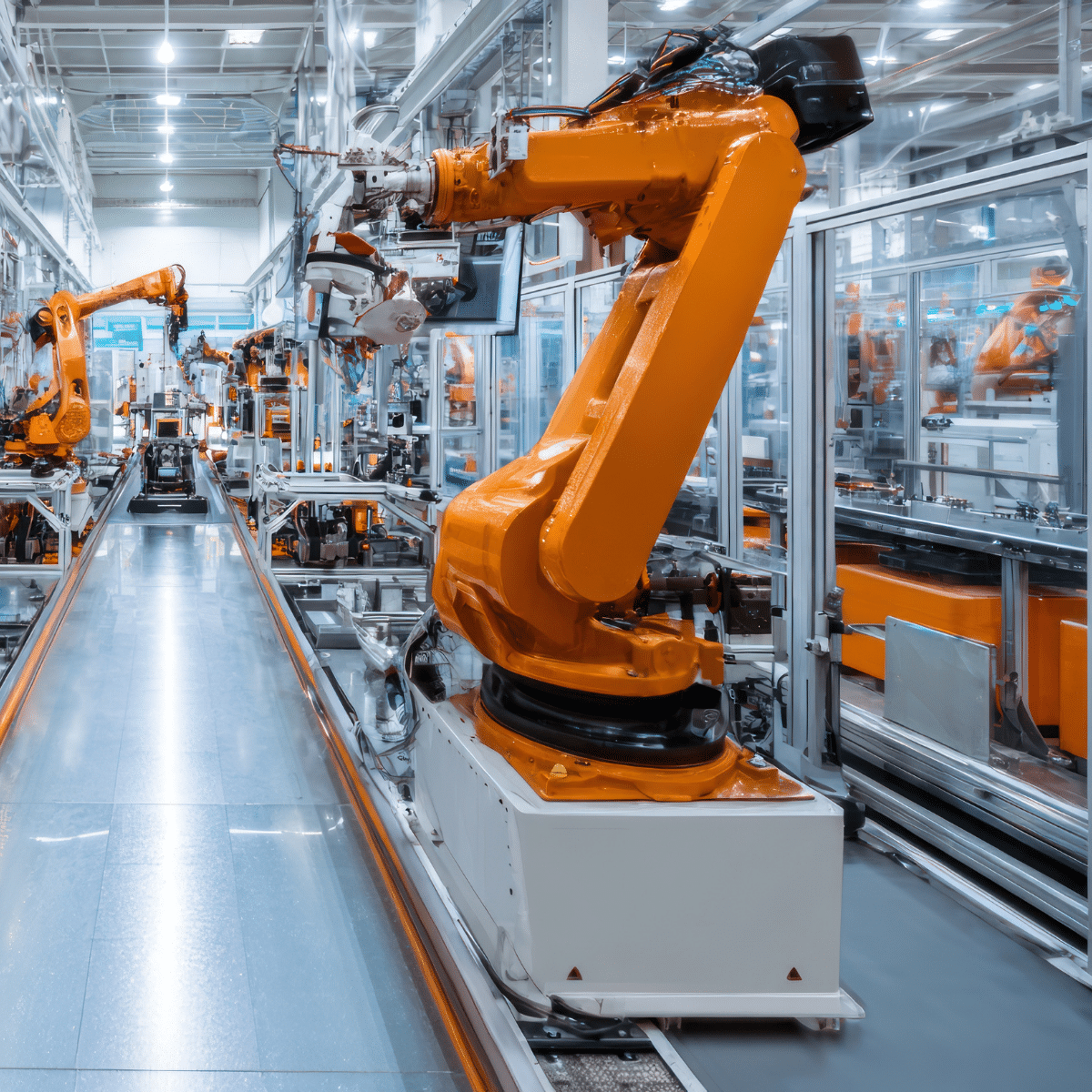
Advanced manufacturing

Smart virtual models for sustainable industry (opens in a new window)

Bloc Digital Ltd, working with the University of Derby, set out to create advanced virtual models of manufacturing systems that help businesses monitor and improve their operations. These “smart twins” use artificial intelligence to spot problems, explain what’s causing them, and suggest solutions — all in real time. This helps manufacturers run more efficiently and reduce waste, supporting sustainability goals.

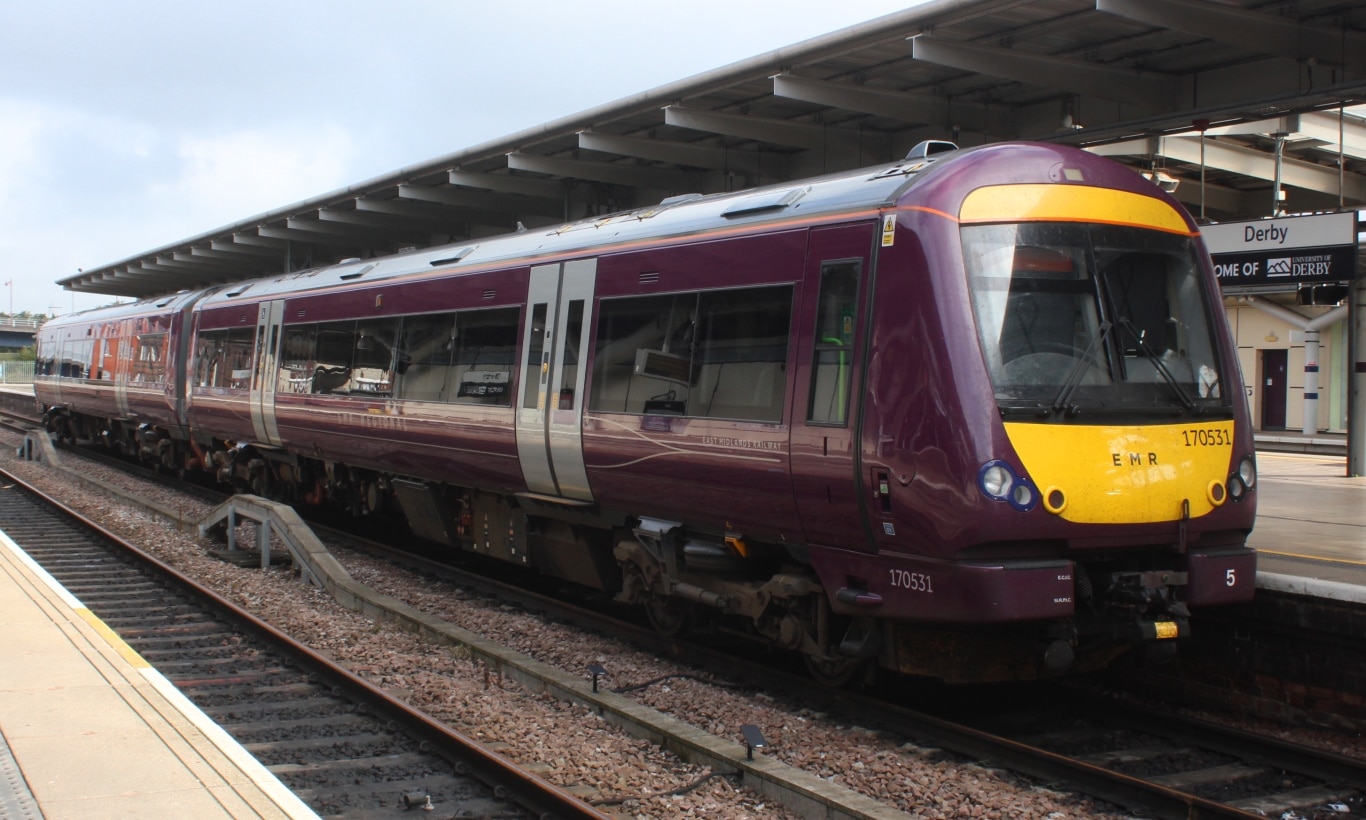
Derby_-_EMR_170531_Matlock_service

Vibration energy harvesting system for rail (opens in a new window)

Barrow Hill Ltd, Unipart Rail Ltd, and the University of Derby worked together to design and test a vibration energy harvesting (VEH) system – a device that turns vibrations from moving trains into usable electricity. The aim was to create a prototype capable of generating more than 120 mW of power at over 50% efficiency, providing a new source of clean energy for rail applications.

Hydrogen fuel cell shunting locomotive

Hydrogen fuel cell shunting locomotive (opens in a new window)

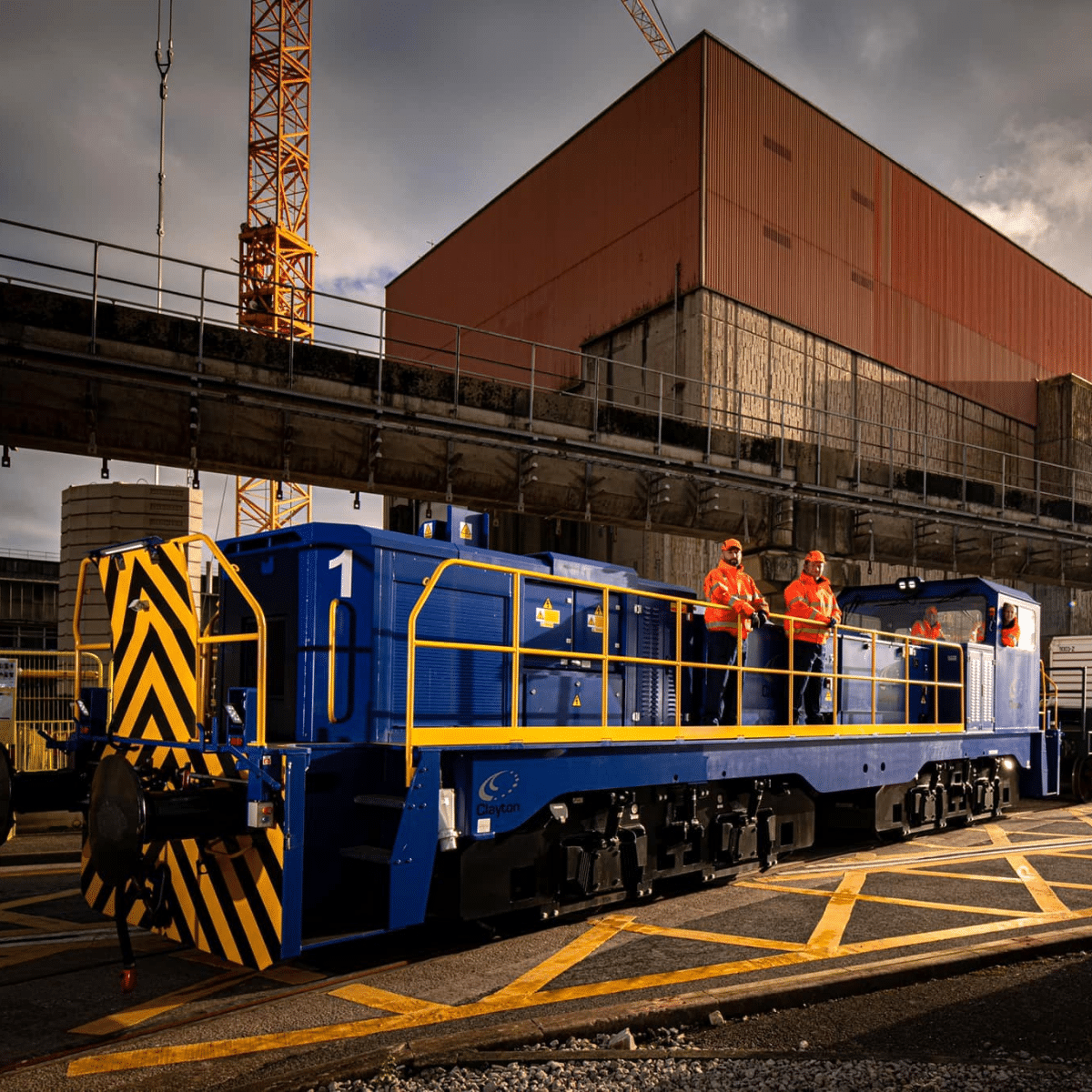
Clayton Equipment Ltd and the University of Derby worked together to assess the feasibility of converting a diesel-hybrid shunting locomotive into a fuel-cell hybrid system. The goal was to reduce emissions, improve air quality, and align with the UK’s net zero targets.

Jet engine

Testing a new nickel alloy for jet engine parts (opens in a new window)

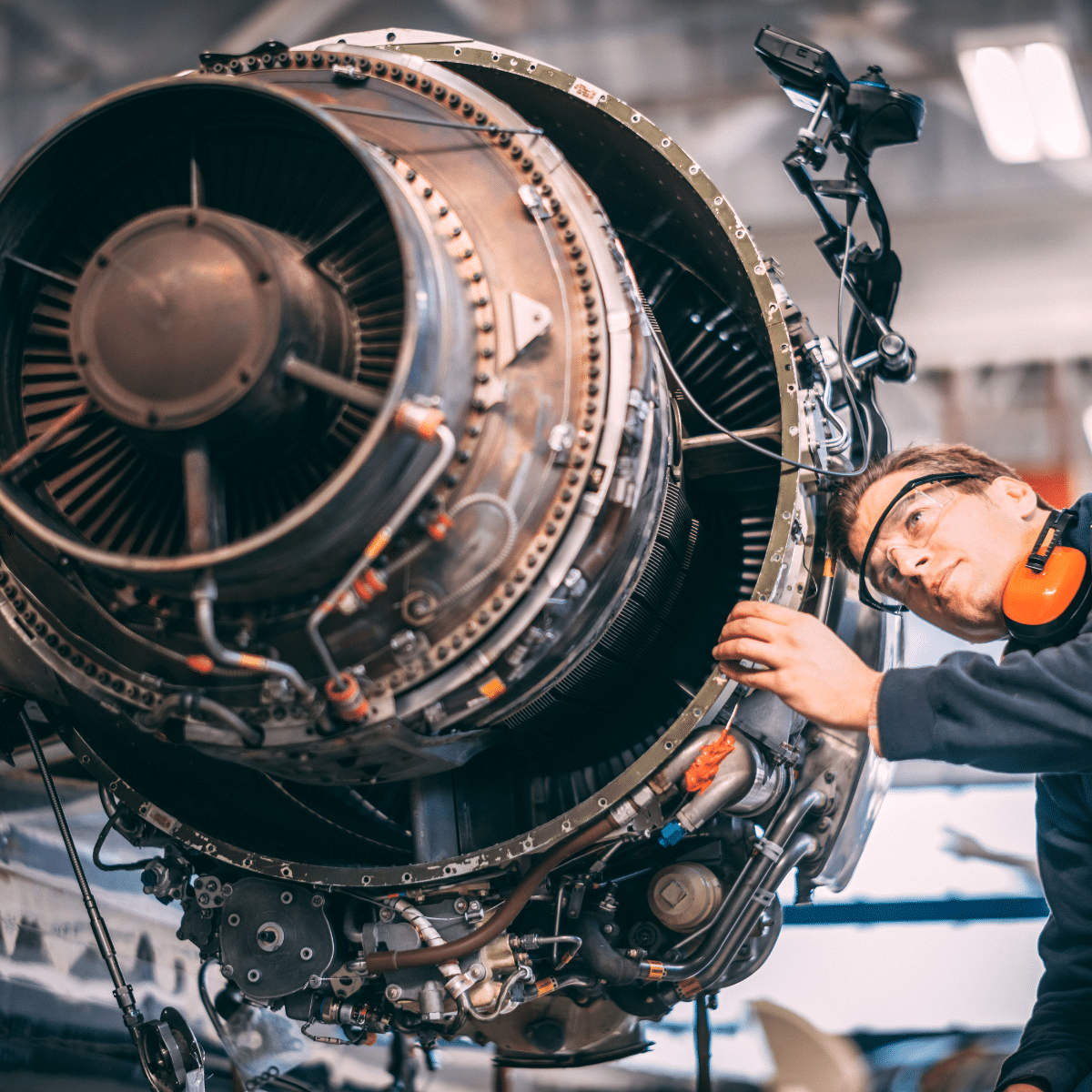
The University of Nottingham worked with ITP Aero to study a special nickel alloy (Inco 939) made with 3D printing. The goal was to see how strong and reliable this material is under the extreme heat and pressure found inside jet engines, so it can be used to make lighter, more efficient parts in the future.

Find out more

We’re pioneering the clean energy revolution in the East Midlands, fast-tracking a sustainable, modern, agile and well-skilled low carbon economy.

Discover more