England’s largest Regional Area Energy Plan paves the way for East Midlands’ greener future
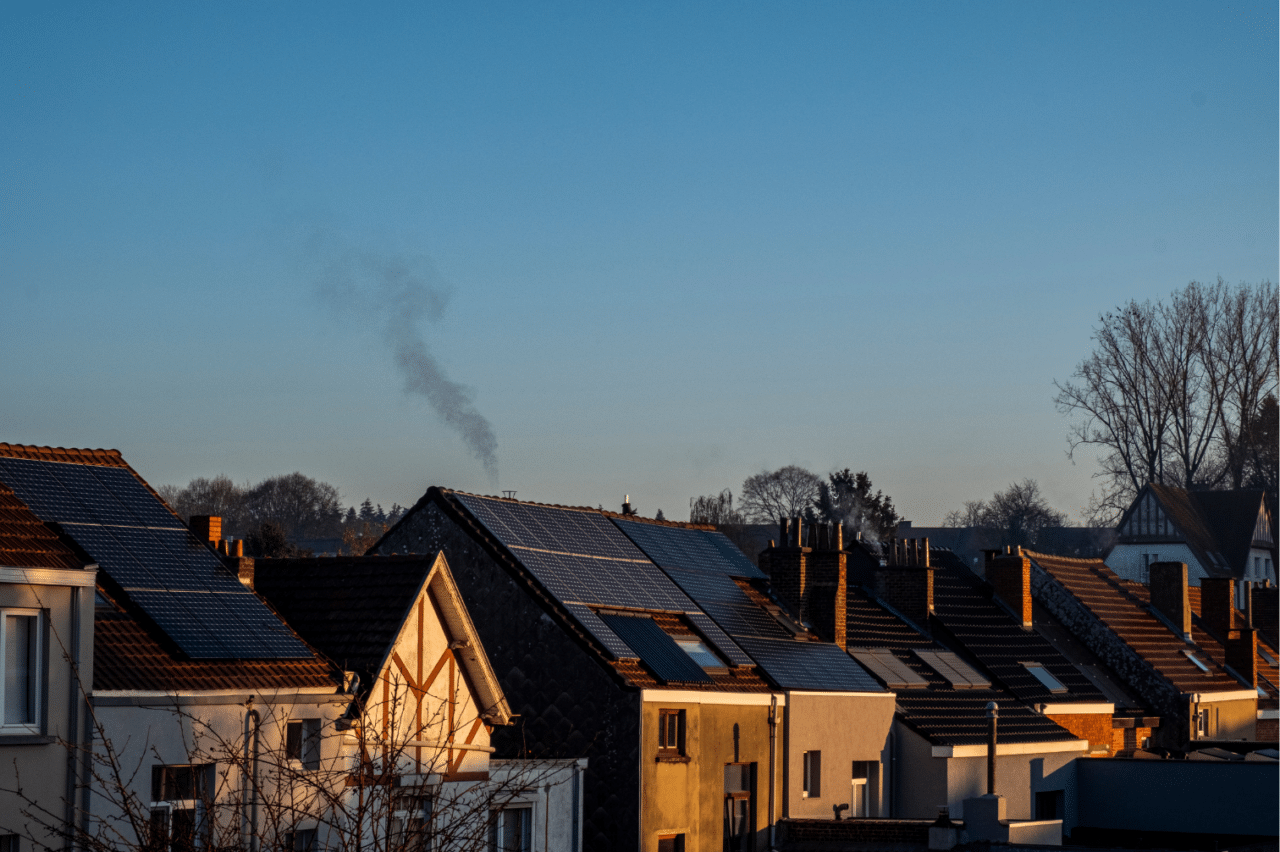
Far-reaching plans designed to create a cleaner, affordable and more sustainable energy future for the East Midlands have reached a major milestone – with work now turning towards how their ambitions can be put into practice.
East Midlands Combined County Authority’s (EMCCA) Regional Area Energy Plan and Digital Twin – the largest of its kind created in England – brings together eight local area energy plans from across Nottinghamshire and Derbyshire into a single shared vision for the region to become more sustainable, support economic growth and improve energy resilience.
The regional and local plans, funded by EMCCA, provide roadmaps for where improved infrastructure is needed, where investment could have the biggest impact and how communities can benefit from energy-efficient improvements.
Developed over the last two years by the Midlands Net Zero Hub, Mott MacDonald and IES with regional local authorities, work will now begin to develop the projects, partnerships and investment needed to turn its ambitions into reality.

Mayor of the East Midlands, Claire Ward said: “The East Midlands has England’s largest Regional Area Energy Plan and Digital Twin programme, giving us a deeper understanding of what our region needs to power our present and grow the future.
“We can now turn that insight into action. By bringing partners together, we can develop the projects and investment opportunities needed to help the region reach its net zero ambitions whilst improving life for local people.
“Critically, we need to ensure that people’s homes and workplaces stay warm and comfortable, that their energy bills reduce, and that we ensure that growing businesses are not held back by a lack of grid connections. That will be the test of this plan’s success.”
Creating a greener future for the East Midlands
The work identified the scale of transformation needed across buildings, transport, industry and energy networks to help the East Midlands move towards cleaner energy.
Over the coming decades, this includes the installation of more than 800,000 heat pumps in homes, more than 940,000 electric vehicle charging points and an increasing number of solar panels on publicly owned buildings.
These measures could reduce carbon emissions while helping residents stay warmer and spend less on energy, with improvements to homes and buildings estimated to deliver up to £4.7 billion in energy bill savings by 2050.
Plans could also help improve air quality by reducing emissions from vehicles and buildings. That means healthier communities, fewer pollution-related health problems and about £500 million in estimated savings also by 2050 through lower healthcare costs and fewer people needing time off work due to ill health.
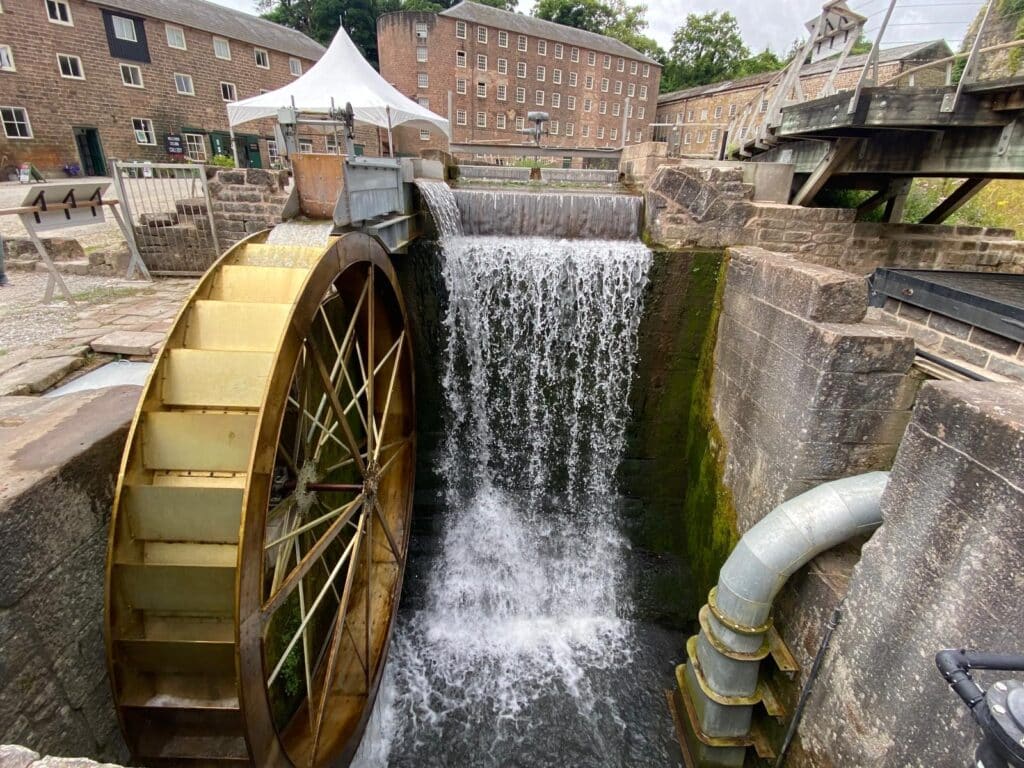
Local authority leaders, MPs and key stakeholders joined Mayor Claire today, 5 November, to explore how partners can turn plans into practical action that will deliver real benefits for residents, businesses and communities across the region.
A new Digital Twin – which acts as an interactive digital map of the region’s energy system – has also been developed as part of the programme. It combines data on homes, energy use and local communities helping local councils understand where issues such as poorly insulated homes or fuel poverty are more prevalent so support and investment can be targeted where they are needed most.
EMCCA will now continue its work with partners to turn the plans into a reality, helping implement future projects and identify investment opportunities.
Delight at launch of energy plan
Jack Hayhoe, Midlands Net Zero Hub head of Net Zero programmes, said: “We’re delighted to support the launch of the Regional Area Energy Plan and Digital Twin. Together, these tools will help local authorities make more informed decisions, enabling effective planning for both decarbonisation and future growth.
“We hope it marks the beginning of a more joined-up and collaborative approach across the East Midlands, and we look forward to working with Local Authorities as they take their next steps to making Net Zero happen.”
Click here find out more about the plans.