
The UK Government is leaving international investment, jobs and influence on the table according to a new policy report.
International engagement for regions ‘in need of major overhaul’, new report says
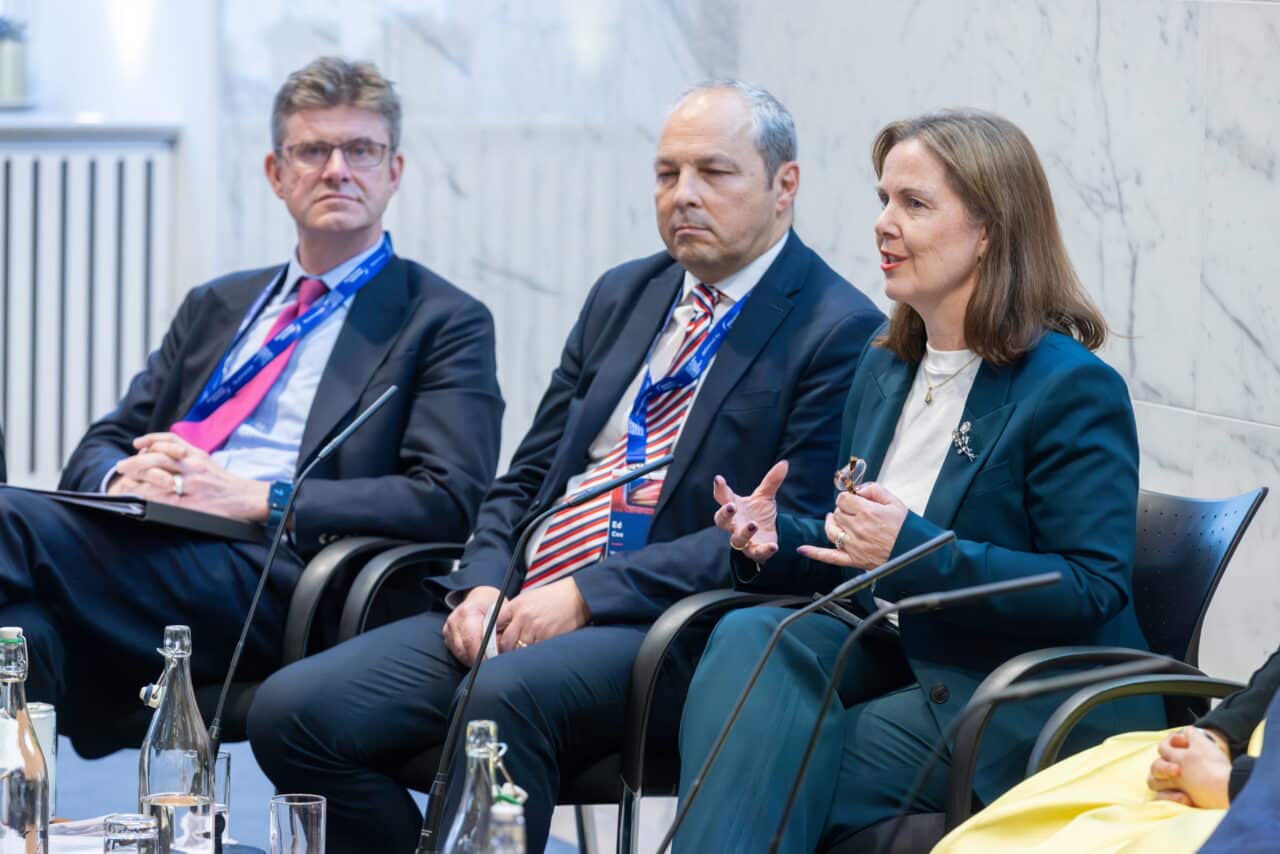
The Commission, which was led by researchers from the City-Region Economic Development Institute (City-REDI) at the University of Birmingham, launched its findings and policy recommendations at the UK Global R&D and Science Investment Summit this week.
Global competition
It found the UK faces intensifying global competition for investment, talent and influence, but lacks a coherent strategy for how its cities and regions should engage internationally.
The report calls for a radical rethink of how Whitehall works with mayors, universities and local partners to drive growth through international engagement, rather than leaving cities, regional authorities and large regional institutions, such as universities, to develop their own separate networks.
It sets out a blueprint for what it describes as a new era of ‘sub-national diplomacy’, enabling cities and regions to play a more active role in attracting investment, supporting trade, promoting tourism and strengthening Britain’s international influence.
International engagement
Mayor Claire said: “Devolution is about trusting local leaders to make the decisions that are right for their communities. If we are serious about delivering growth across the whole country, regions must have the powers, partnerships and support they need to attract investment, create jobs and drive innovation.
“In the East Midlands, we are already showing what can be achieved when local government, universities and businesses work together with a shared purpose. Through our partnership with Midlands Innovation and the Invest in UK University R&D – Midlands campaign, we are taking our region’s world-class strengths to a global audience, building international connections and creating new opportunities for investment and growth.
“This report sets out a clear and practical way forward for closer working between national and regional government. If we want mayors and combined authorities to play a bigger role in trade, investment and international engagement, we must give them the tools to do so, so communities across England can benefit from the jobs, growth and opportunities that follow.”
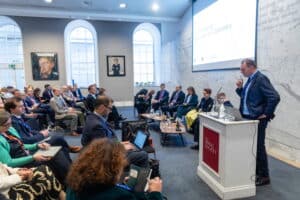
Prof Rebecca Riley, City-REDI co-director and professor of enterprise, engagement and impact, said: “While Whitehall primarily retains responsibility for international economic and diplomatic activity, mayors, local authorities, universities and civic institutions are increasingly building their own global partnerships and networks. Too often, however, these efforts are fragmented, unevenly supported and disconnected from national priorities. As a result, the UK is not making the most of its local strengths or fully capturing the opportunities available to it.
“Addressing this challenge is more imperative than ever, with global competition becoming steeper, protectionism becoming more common, and geopolitical instability causing widely felt economic shocks. Our report sets out how, by adopting a more co-ordinated approach to international engagement through a national framework, cities, regions and the national government can reap more rewards.”
Calls for partnership
The Commission calls for a new partnership between Whitehall and regional powers and major cities across England, backed by a package of support including:
- A new devolution ‘growth package’ across trade, skills, innovation, business support and tourism should be agreed to support regions in pursuing internationally led growth;
- A first-of-its-kind Sub-national Diplomacy Strategy to align national and local international priorities;
- The establishment of a Devolved Diplomacy Unit in the Cabinet Office to improve co-ordination across Whitehall and support local partners;
- The creation of an International Growth Fund to build local capacity for international engagement;
- The establishment of a new network of regional Trade Envoys.
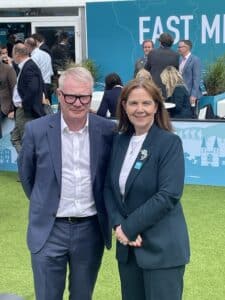
Mayor Richard said: “Growth is my top priority and we’re already looking beyond our borders to create new jobs and opportunities here at home. My Growth Plan is clear in its targeting of international markets to attract further investment into our region, grow exports and build partnerships in innovation, skills and research.
“What we need now is for government to fully recognise the value that mayors and their regions can give Britain when dealing on the global stage. We understand our local economies and opportunities best.
“My recent trade missions to India and to China, alongside the Prime Minister, have opened doors for West Midlands businesses, universities and investors in two of the world’s biggest markets. If devolution means shifting power closer to communities, then mayors must have a stronger voice in UK international trade affairs that have the potential to drive regional growth and jobs.”
Midlands campaign
The Commission on Devolution and Diplomacy has been made possible through the Invest in UK University R&D Midlands Campaign.
Alex Favier, Invest in UK University R&D – Midlands global campaign director, said: “The Campaign is delighted to have supported the University of Birmingham and our two Midlands mayors in developing the Commission and this report.
“Universities have an extraordinary wealth of international knowledge diplomacy assets from research and industry partnerships, and a global community of alumni investors and industry leaders. While the UK has many examples of best practice, there is currently no co-ordinated policy playbook for how universities, mayors and diplomatic posts work together. Our Campaign demonstrates the potential for a new model of partnership that can turn civic soft power into tangible economic outcomes for regions.”
The report concludes that without implementing this new national framework, anchored in clear principles and a series of practical recommendations, the UK is leaving opportunities on the table.
Published on: 10 June 2026
Categories: News, Economic Development