Mini Switzerland Project: FAQs
What is the Mini Switzerland project?
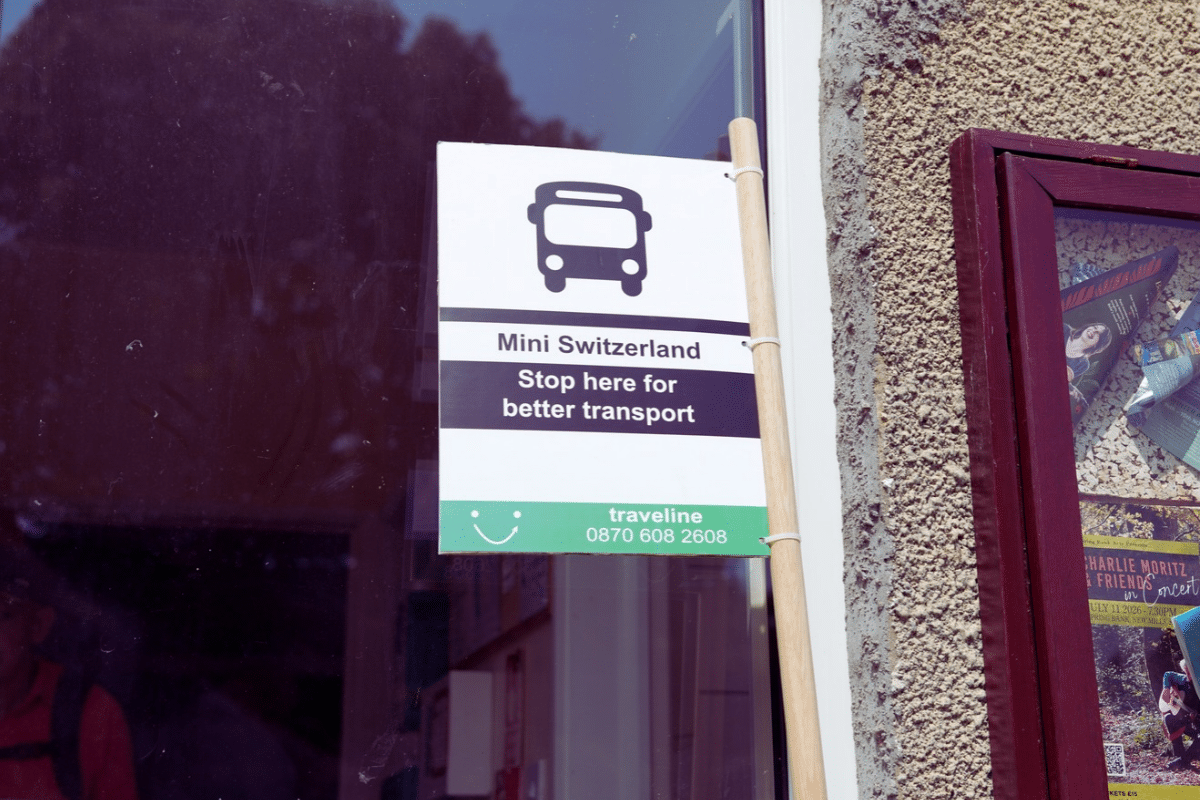
“Mini Switzerland” is the current working name for an exciting rural transport pilot in the Hope Valley. It is a three-year pilot in innovation, testing an integrated bus and rail network with easy-to-use connections for journeys using more than one mode of transport. The planned model includes connecting buses meeting trains at designated hubs, frequent services, integrated ticketing, clear passenger information and high-quality customer service. The project takes inspiration from Switzerland’s integrated transport system; however, the final public name has not yet been confirmed. This is a demonstrator project, designed to test different approaches and learn from what happens in practice. Not every approach may succeed, but the important outcome is that we, our partners and other areas across the UK can learn from the experience.
How did the project come about?
The idea was developed by transport professionals and local volunteers working with Hope Valley Climate Action, drawing on lessons from Switzerland and detailed work on how integration could operate locally. The Hope Valley is the most popular visitor area in the Peak District and welcomes high volumes of visitors and is very welcome with the project aiming to play a part in making it easier for people to reach and explore the area by public transport. The East Midlands Combined County Authority (EMCCA) is now leading delivery with partners after the Government selected the Hope Valley proposal as a national rural transport trial. The study will be used to guide but is not the final agreed network.
What is the project trying to achieve?
The central premise is to test whether a more coordinated rural transport network can make public transport a realistic, reliable and easy-to-use choice. The pilot will experiment with bus–rail connections, bus to bus connections, multi-operator and multi-modal ticketing, passenger information and high-quality services. In the Hope Valley, the model is intended to provide connecting buses that meet trains at designated hubs, alongside bus services running at least hourly on a regular clockface timetable. It aims to improve access to work, education, healthcare, shops and services; make the area easier to visit without a car; reduce congestion and pressure on parking and local roads; and create learning that could benefit other rural communities.
What area does the project cover?
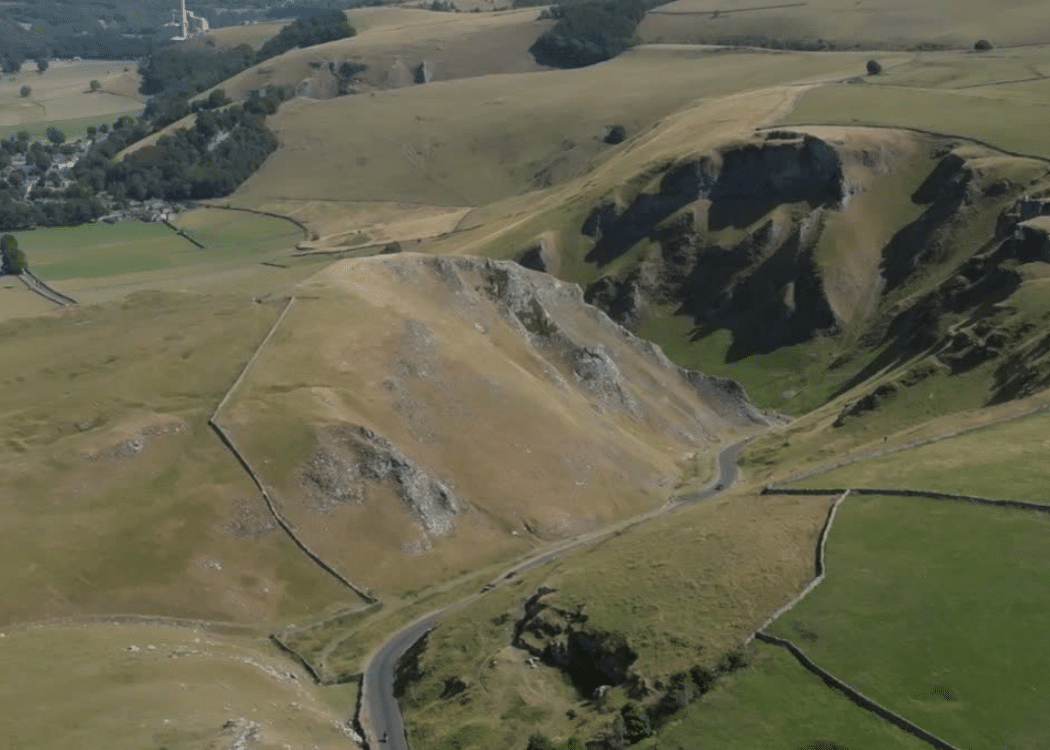
The pilot is focused on the Hope Valley in the Peak District, including the rural communities and transport connections through the valley. The focus will be to connect buses with some of the rail stations in the Hope Valley, and with each other to provide a more integrated public transport system. The precise coverage of supporting routes stops and each implementation phase will be confirmed through the developing project plan. This project will also consider other opportunities to improve local connections in and out of the Hope Valley.
What does this mean for people living in the area?
For people living in the Hope Valley, the project is an opportunity to test practical improvements to everyday journeys. The aim is to provide bus services at least every hour throughout the day and evening, seven days a week, on an easy-to-remember clockface timetable. In the Hope Valley, services are therefore expected to operate over a longer operating period, with connecting buses planned to meet trains at some designated rail stations. Integrated ticketing across participating bus and rail services would make multi-modal journeys simpler. Because this is a trial project, changes will be introduced in phases, monitored and refined, and residents’ experience will be vital to understanding which innovations make the greatest difference.
What does this mean for people visiting the area?
The ambition is to make visiting without a car simpler and more attractive. Regular bus services coordinated connections at rail stations, integrated bus-and-rail ticketing and clearer passenger information should make it easier to reach villages, walking routes and attractions. This could offer visitors a practical alternative to driving while reducing the congestion and parking pressures experienced by local communities.
What will happen as part of the project?
The planned programme includes:
- An integrated bus and rail network designed to make multi-modal journeys easy, with connecting buses meeting trains at designated Hope Valley hubs.
- Bus services running at least every hour throughout the day and evening, seven days a week, on a regular clockface timetable, from early in the morning to late at night.
- Integrated multi-operator and multi-modal ticketing across participating bus and rail services.
- High-quality services, including vehicles, customer care and clear public information.
- Better bus stop infrastructure to make waiting and interchanging more comfortable.
- More available and easy to understand information from planning a journey, through to arriving at your destination.
This is a complex, multi-faceted programme, so these improvements will be developed and introduced in phases rather than all at once. Further detail will be provided as the project progresses.
Who is involved in delivering the project?
EMCCA is leading the project and has appointed dedicated professional resource to support delivery. A project steering group is in place, bringing together relevant delivery partners, experts, and local voices. Delivery partners will include many organisations such as bus and rail operators, the Highways Authority, Peak District National Park, and more local organisations such as Visit Peak District and Derbyshire, and Hope Valley Climate Action group. However, we feel there is a role for everyone in the Peak District, be it through providing valuable insights, disseminating information, or showing support.
What is EMCCA?
The East Midlands Combined County Authority (EMCCA) brings together Derby, Derbyshire, Nottingham and Nottinghamshire under the leadership of the East Midlands Mayor. It works with councils and partners on regional priorities, including transport, skills, housing and economic growth.
What is EMCCA’s role in the project?
EMCCA will oversee and coordinate delivery, working with local communities, councils, operators and technical partners. Its role includes programme governance, managing investment, developing the delivery plan, coordinating the different workstreams and ensuring that local knowledge helps shape the project.
How is the project being funded?
The programme is backed by £12 million of funding; £6 million from the Department for Transport and a further £6 million from EMCCA’s transport funding. How the budget will be allocated across individual measures will be confirmed through the developing project plan and relevant approval processes.
How long will the trial run for?
Current delivery planning is for a three-year trial programme. The detailed timetable for each phase is still being developed and will be communicated when confirmed.
What will happen at the end of the trial?
The pilot is intended to provide real-world evidence about what works, the benefits it delivers and what could be improved. The hope is that successful improvements can be sustained over the longer term, with local people helping to shape, support and take ownership of them.
How will the success of the project be measured?
A detailed evaluation framework has not yet been published. It is expected to examine whether the network is easier and more reliable to use, whether connections and access improve, whether more people use public transport and choose this over the car, and what lessons can be learnt to inform future rural transport policy and delivery models.
Is there a project steering group?
Yes. A project steering group has been established to guide this complex programme, ensure the project is delivered in line with its objectives, support collaboration between key partners and stakeholders, and maximise opportunities for long-term sustainability and legacy.
The Steering Group is a non-political working group operating under clear Terms of Reference. It brings together relevant partners, delivery organisations and stakeholder representatives, including local resident voices, to guide the project, support coordination and ensure local needs remain central to the work.
Their role is to:
- Champion the project’s vision and keep people’s everyday journeys at the heart of the work.
- Provide strategic advice and constructive challenge to the Project Team.
- Review progress, key milestones, risks, issues and opportunities.
- Support collaboration and information sharing between communities, partners and delivery organisations.
- Review key project documents, including plans for engagement, communications, monitoring and evaluation.
- Help build trust, support long-term sustainability and share learning that could benefit other rural communities.
How will local residents and stakeholders be kept informed?
In the short term, updates will be shared through the EMCCA website, the Hope Valley Climate Action newsletter and parish councils. As the programme develops, a dedicated website and public events are also planned, with opportunities to ask questions, engage with the team and help shape delivery. We will communicate regularly as the project plan and individual phases become clearer.
Will residents be able to get involved, ask questions or share feedback?
Yes. Residents live with the transport network every day and have invaluable knowledge about what works, what does not and where change is most needed. People will be able to sign up for updates and take part in future engagement events. Details of additional feedback channels will be published as they are established.
Will any existing bus services be cut?
No. All current bus services will continue until the new services are introduced. The first service improvements are planned to be in place by June 2027.
When will changes to local bus services begin?
We are currently reviewing the local bus network. Subject to the outcome of that work, the first new services are planned to be introduced by June 2027. Further details will be shared as plans are confirmed.
What are the key dates or milestones residents should be aware of?
A detailed project plan is being developed and will be refined as the project progresses. The first new services and service improvements are planned to be introduced by June 2027, with changes phased in where possible. Specific milestones for service changes, ticketing and engagement activity will be confirmed in due course.
Where can people find the latest information?
For now, people should look for updates on the EMCCA website, through the Hope Valley Climate Action newsletter and via parish councils. A dedicated project website is planned for a later stage. Until it is live, information published through those established channels should be treated as the latest available position.
What happens next?
The Steering Group met today to introduce the project and the organisations involved, agree how the group will work and begin identifying the questions and priorities that should inform the next stage. We will communicate more widely in the coming weeks, including an FAQ that will go into more detail about the project and the channels that will be put into place to capture feedback.
We would like to thank you for your interest in the project. We are committed to listening, being open about how the work is progressing and ensuring local communities have meaningful opportunities to take part.