Mayor welcomes new ‘Better Connected’ travel plan across trains, trams and buses
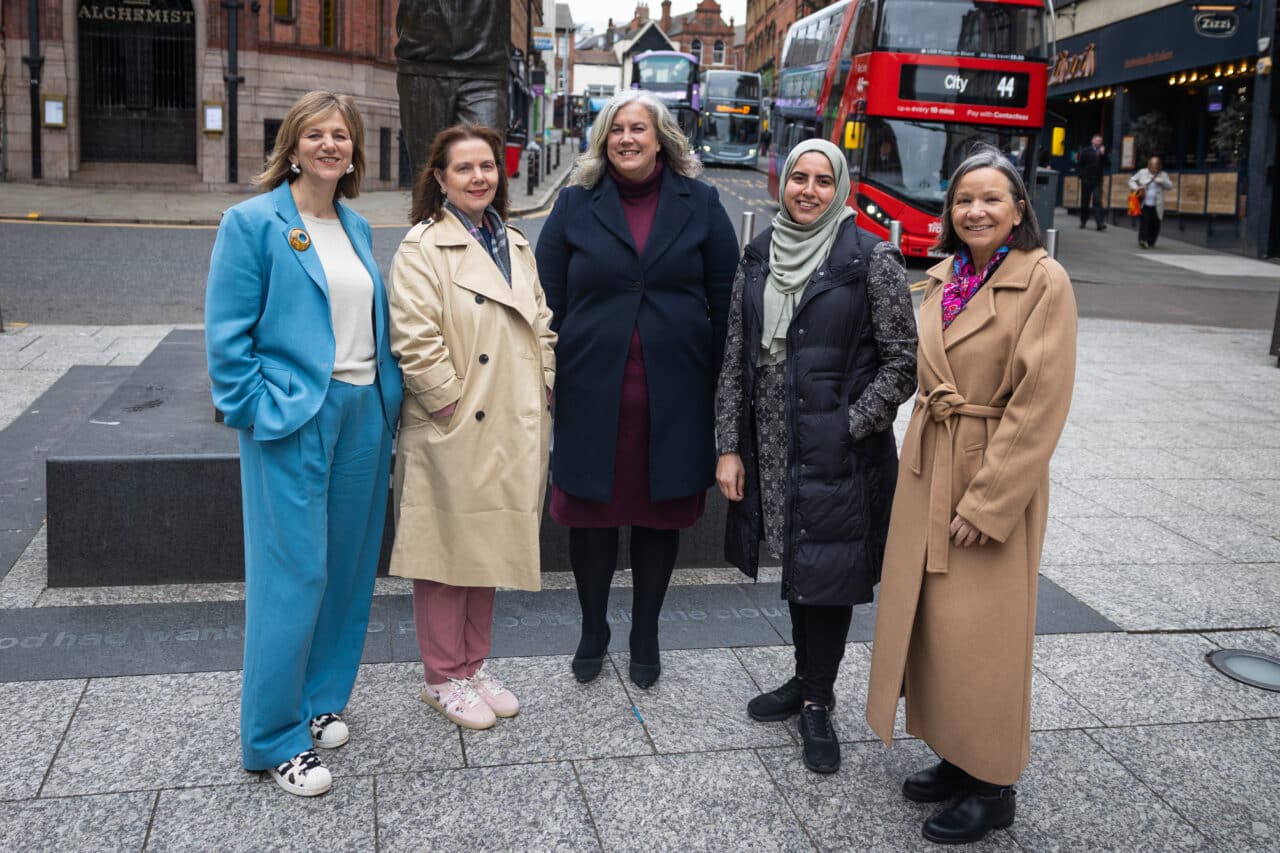
Nottingham and Derby’s EMCCA-backed Ride app was hailed as a shining example of integrated travel as the Government launched a new ‘Better Connected’ national transport strategy.
Millions of passengers across England are set to benefit from simpler, more affordable and more joined-up journeys under the strategy launched today.
Other measures unveiled following the strategy’s launch in Nottingham include a ‘Mini-Switzerland’ trial in the Peak District, a new Google Maps partnership to track rural buses and a Parking Platform to end car app chaos.
‘Significant step’
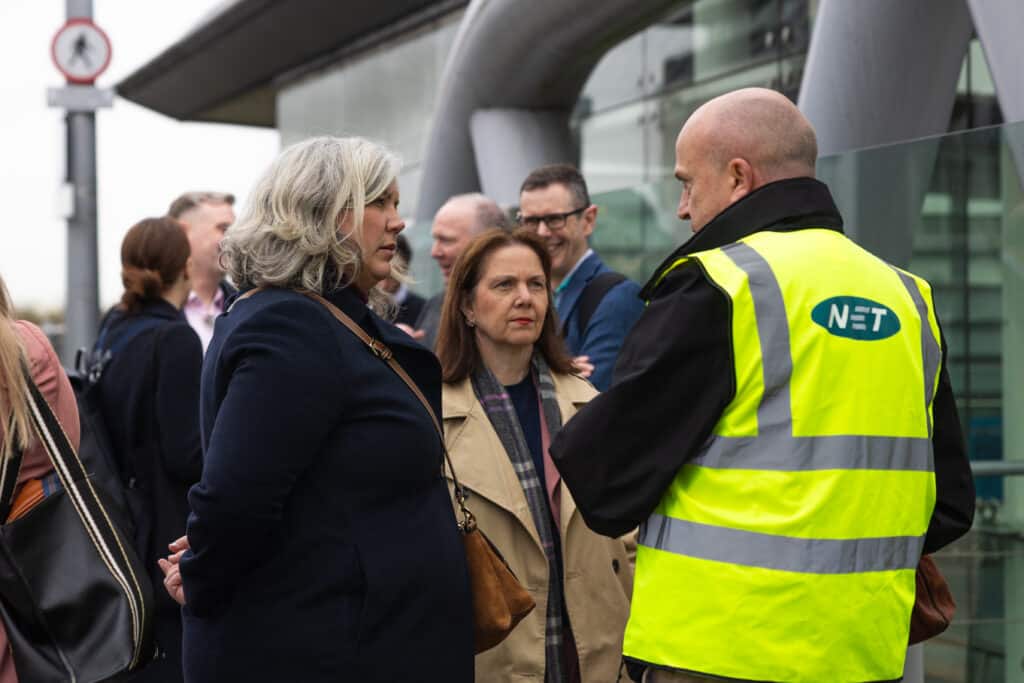
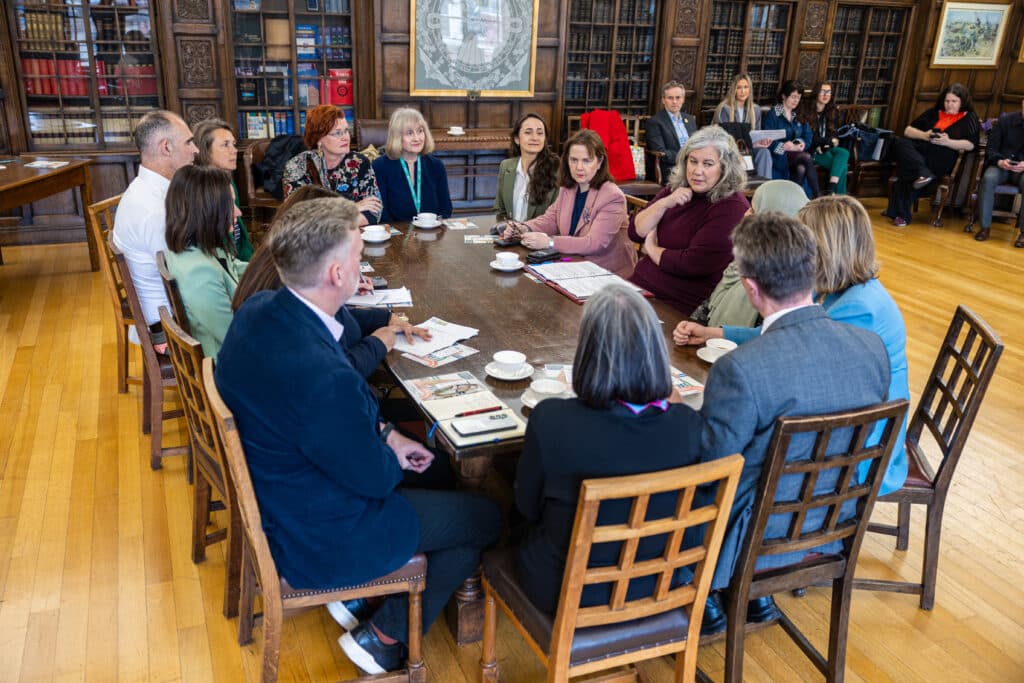
Mayor of the East Midlands, Claire Ward, who joined Transport Secretary Heidi Alexander at the launch said: “This national strategy is a significant step towards the transport system people across the East Midlands want: simple, joined-up and easy to use.
“We’re already seeing what’s possible through innovations like the Ride app in Nottingham and Derby, bringing journey planning and payment in one place. It shows how we can integrate buses, trams and trains so passengers can tap, travel and get where they need to be without juggling multiple tickets or apps.
“With better real-time information and stronger rural connections, including our work in the Peak District, we can build a transport network that works as one system – supporting growth, cutting congestion and improving access to jobs, education and opportunity across the region.”
Local leaders are being given the tools to replicate joined-up systems already in place in areas like Nottingham, London and Liverpool, where passengers can travel seamlessly across the city on different transport while tapping their bank card as payment – without juggling multiple tickets or apps.
It is one of more than 40 fully funded commitments in the new Better Connected national transport strategy, designed to make everyday journeys simpler, easier to pay for and more reliable from door to door.
The Department for Transport said giving people genuine choice over how they travel and making these options more affordable is at the core of this strategy. By providing local leaders with more flexibility, control and long-term funding certainty, they can design more joined-up networks that deliver better value for money, helping to keep fares down and support the cost of living.
‘Better Connected’
Transport Secretary, Heidi Alexander, said: “For too long, getting from A to B has been more complicated than it needs to be.
“People want journeys to be easy and reliable. They want to be able to get off a train and straight on to a bus without having to battle through a confusing system or buy separate tickets for each part of their journey.
“That’s why we’re giving local leaders the powers to build transport networks that are simpler, more accessible and better connected, improving everyday journeys and supporting growth in every corner of the country.”
The Mini Switzerland pilot in the Hope Valley is backed by £6 million of Government funding. Taking its name from best practice in European rural areas, the trial will test more frequent, reliable rural bus services timed to connect with arriving trains to support local communities and tourism.
The breakthrough partnership with Google will allow passengers across England to track their bus in real time through Google Maps – especially useful for passengers in rural areas where bus services are less frequent.
Drivers will also benefit from the expansion of the National Parking Platform, allowing them to use any parking app across participating car parks, ending the frustrating experience of having to download a different app each time.
While local leaders will continue to decide whether to invest in contactless, tap-and-go travel, the Government has made it easier than ever by providing back-end technical support and long-term funding to bring it to their towns and cities.
Ride app sets gold standard
The DfT said “gold-standard examples” like Nottingham and Derby’s Ride app, part-funded by Government, show what is possible when local leaders are backed to improve local transport. The app allows passengers to plan and pay for journeys on buses and trams, as well as shared transport services, including car clubs, e-scooters and e-bikes – all in one place.
To help local areas go further, the Government is also launching £40m in new funding for local authorities to trial digital technologies to improve transport, reduce congestion and ease disruption.
Alongside these new features, the Government is also publishing new Local Transport Plan guidance giving local leaders clear blueprints for building joined-up transport, making the most of their funding and boosting local growth.
Jason Prince, director of the Urban Transport Group, said: “The new transport strategy, which includes an ambition to deliver a step change in tap-and-go contactless services for customers, is welcome. The strategy, which has been eagerly anticipated by the sector, builds on the innovative work already underway in devolved areas of the country to deliver better, more joined-up transport networks. The strategy will compliment this ongoing work and help to ensure all people across England – from cities to the countryside – are better connected.”
Better Connected comes alongside major action on transport across the country, from the creation of Great British Railways – to be headquartered in Derby – record investment to fix local roads, to faster rollout of EV chargepoints and support for major infrastructure projects that will improve connections and drive growth. Together, this sets the direction for a more joined-up transport network that works better for passengers, drivers and communities across England.
Sue Sharp, Disabled Persons Transport Advisory Committee interim chair, said: “DPTAC welcomes putting people at the heart of this strategy. The traveling public is diverse not only in terms of their personal characteristics, but in where they live, their reasons for travel and the choices they make for their journeys.
“The strategy recognises that diversity and we look forward to seeing it deliver an effective, accessible and affordable transport network for everyone who needs to travel.
“We are particularly pleased that accessibility, alongside affordability, is one of the guiding principles. About 16m people in the UK have a disability. Embedding accessibility from the outset, taking a co-design approach to development and continuing to engage with disabled users throughout, are critical steps in achieving a transport network that is truly accessible and addresses disabled people’s rights to travel.”
Lydia Horbury, Bus Users UK chief executive officer, said: “Connectivity is what turns transport into a network. When buses, trains, trams and active travel options join up seamlessly, it transforms confidence, accessibility and everyday journeys. This strategy moves us closer to a system that works around passengers, not the other way round.”
Alex Robertson, chief executive of the independent watchdog, Transport Focus, said: “Passengers have told us for years that complexity is one of the biggest barriers to using public transport. Having to juggle different tickets, apps and payment methods for a single journey is frustrating and puts people off leaving the car at home.
“It’s good to see a transport strategy so focused on people. Tap-and-go travel, real-time bus tracking and better-connected services will make a genuine difference to people’s daily lives. We look forward to working with government and local leaders to make sure passengers see the benefits of these changes as quickly as possible.”
Patrick Mahon, Action with Communities in Rural England (ACRE) head of policy and public affairs, said: “The lack of reliable, affordable public transport in rural areas is a widespread problem which impacts on those in greatest need and holds back economic growth.
“We welcome the fact that the new Integrated National Transport Strategy explicitly recognises several of the main challenges that face public transport users in rural communities. These include the delays and extra costs they encounter when they have to take multiple buses or trains to get to their destination, and the difficulty of knowing when the next bus will actually turn up.
“The strategy has the potential to deliver a step change for rural transport users, and ACRE looks forward to working with central and local government to ensure that this potential is delivered in practice.”