Almost £150 million is set to be invested by the Mayor of the East Midlands in improving public transport across the region.
Members of the East Midlands Combined County Authority’s transport and digital connectivity committee have backed a significant increase in capital investment in the integrated public transport network across the region, with a total of £148m allocated to a string of projects for the next three years.
Highlights include more than £25m towards significant upgrades to the A38 Hucknall to Sutton-in-Ashfield corridor to improve punctuality, efficiency and the street environment, as well as £4m towards facility improvements and better access to Derby Bus Station.
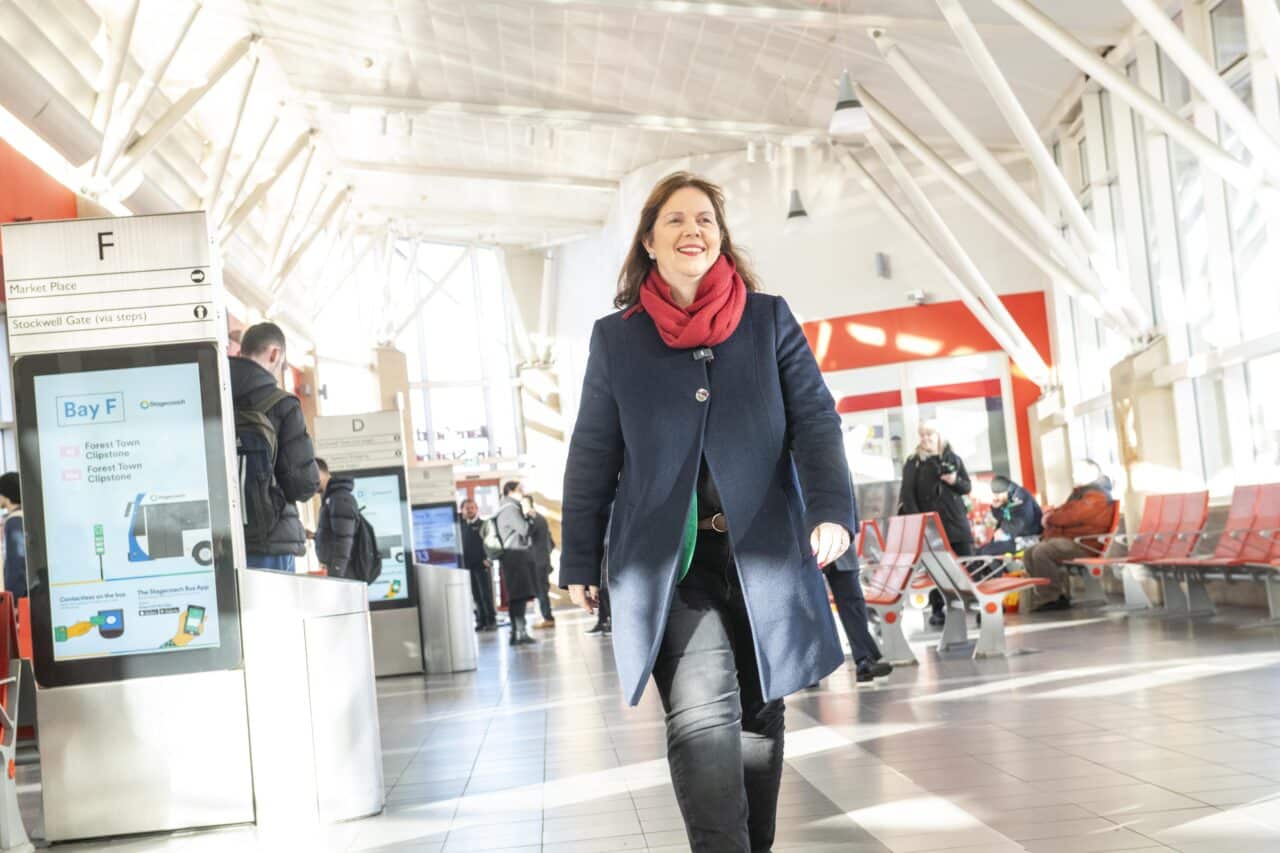
Mayor Claire Ward said: “This £148m investment is a major step towards the reliable, modern transport network our region needs. By improving key routes, upgrading stations and enhancing local hubs, we’re making everyday journeys quicker, safer and more accessible for the people of the East Midlands.”
“We’re focused on better connections—more reliable bus services, improved passenger facilities, as well as tools that bring everything into one place, like the Ride app. Alongside this, investment in electric buses and active travel will help build a greener, more sustainable network.
“We know transport is part of life, affecting everything from the jobs we get to do to how clean and accessible our places feel. This programme will help unlock growth, connect our communities and ensure people can travel easily and confidently across the East Midlands.”
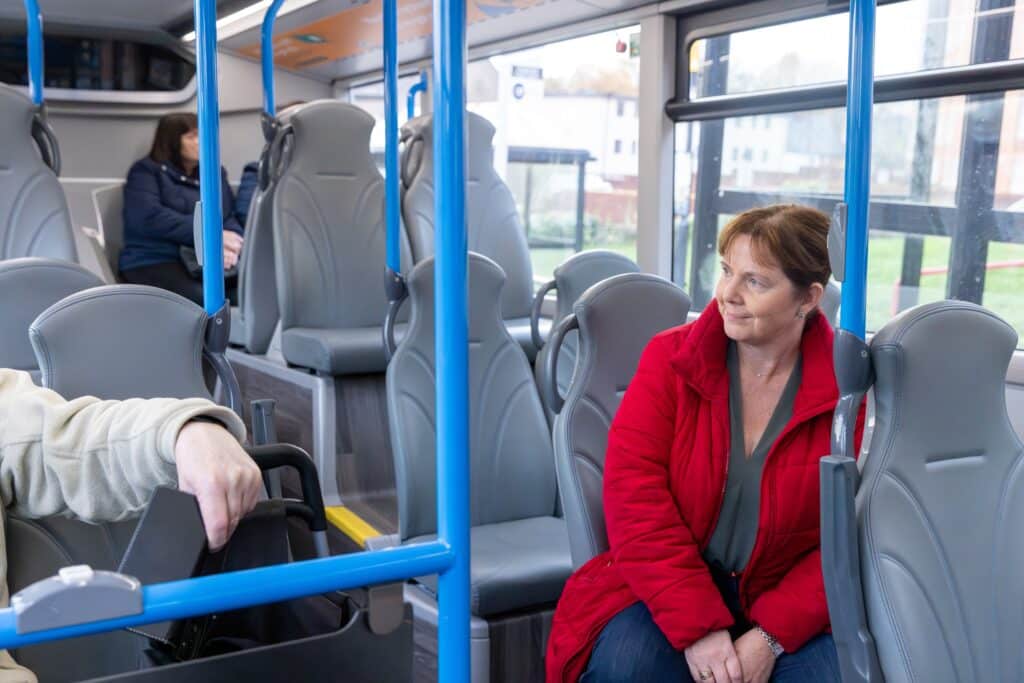
As part of the 2026-29 transport investment programme, £10m is earmarked towards Sutton-in-Ashfield bus station, with further funds allocated to bus priority measures to improve the reliability of services on key routes connecting into Nottingham city centre and also towards electric buses to provide new vehicles and more efficient journeys.
Funds are also allocated to five new transport interchange hubs in town centres across Derbyshire, enhancing waiting facilities, information, active travel features and safety measures including CCTV and lighting, as well as a region-wide programme of improvements to shelters and expansion of real-time information to improve the journey experience for all passengers.
The money supports the Bus Service Improvement Plan being developed by EMCCA this year and builds on a transport investment package of £470m agreed at the last EMCCA board meeting in March.
The package – the largest funding settlement ever secured for the region – included £121m per year to be shared by the four local highways authorities of Derby, Derbyshire, Nottingham and Nottinghamshire towards tackling the “backlog of maintenance issues across our highways”, a 140 per cent uplift on maintenance investment in 2024-25.
Thes investment package includes plans to spend a further £1.2 million on further developing the popular Ride app – highlighted this week as a “gold-standard” example of integrated transport solutions by the Department for Transport. Since its launch in December, the one-stop travel app, which brings together a host of integrated transport information and ticketing options in one handy place, has been downloaded about 14,000 times.
The committee has also backed spending more than £40m in active travel infrastructure improvements across the region.
The committee has also earmarked an “emergency allocation” of £2m to support Derby City Council in the urgent work needed to remove the unsafe bridge at Darley Abbey Mills so the temporary replacement can be reopened as soon as possible – this is in addition to the £2.4m for a permanent replacement bridge which was agreed at the last EMCCA board meeting in March.
A further £3.9m is earmarked for “Growth Area Development”, to “to enable a collaborative approach to progressing options”.
A report to the committee said: “This will include investigating interventions to support the East Midlands Investment Zone, Trent Arc mass transit connections including, but not limited to, light rail extensions, Supercluster growth support investments, M1 Junction 24 growth mitigation and capacity improvements and major regeneration such as Nottingham City Centre Broad Marsh.”
The report said transport investment had an “important role” to play “as an enabler in delivering the benefits our residents and communities need”.
It said: “Journeys are predominantly undertaken for non-transport purposes; accessing work, education and leisure, moving goods and people, attending key services such as hospitals.
“The ability to move safely, efficiently and effectively is critical in achieving our Growth Plan objectives. It is essential that the investments deliver against the priorities and growth areas and so the proposals put forward have been reviewed to ensure they provide strong geographical and policy contribution.”
The committee has also backed plans to allocate £500,000 towards a business case for reopening the Maid Marian Line to passengers. The freight-only railway line links the Robin Hood Line at Kirkby in Ashfield and the Erewash Valley Line at Pye Bridge, via Kirkby Woodhouse and Pinxton.
The recommended investments are now planned to go to the next meeting of the full EMCCA board in June for final approval.