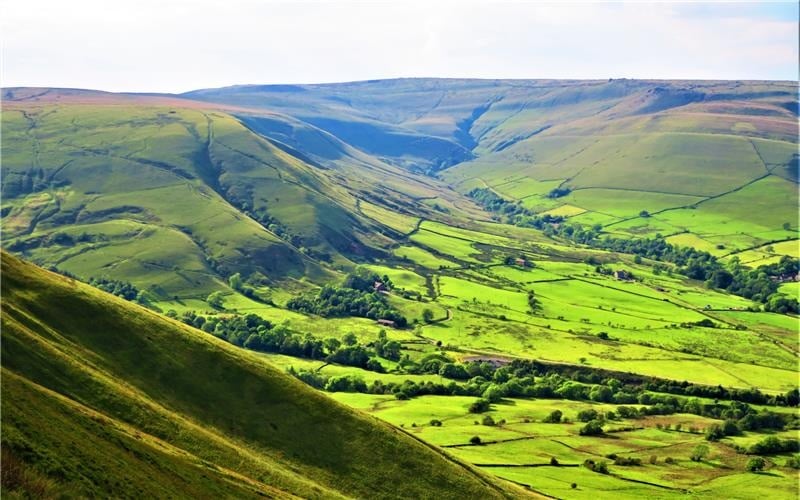
Residents and visitors of the Hope Valley in Derbyshire are set to benefit from a Swiss-style public transport network after the Government backs a pioneering pilot with £6 million of funding.
The Mini-Switzerland project takes its name and inspiration directly from Switzerland’s famous integrated transport system. There, buses and trains connect with each other at the same time every hour. Passengers switch between services in minutes, no standing around waiting or missed connections.
That might sound simple, but for people in rural England, unreliable connections and car dependency have long been facts of life, which is why this pilot will explore how buses and trains can work better together in the Hope Valley.
Mayor of the East Midlands, Claire Ward said: “This £6m investment is a major step forward for transport in the Peak District. It builds on the work we’re already leading to improve connectivity for rural communities and shows that places like the Hope Valley can have the ambition and reliability people expect in our cities.
“Working with partners, we’re strengthening links across the Peak District. This ‘Mini Switzerland’ pilot goes further by joining up buses and trains through coordinated timetables and easier connections – so people can rely on public transport as a genuine alternative to the car.
“This will make it easier for residents to access jobs, education and healthcare, while helping visitors enjoy the Peak District more sustainably. If we can make this work in the Hope Valley, it can provide a blueprint for better rural transport across the region and beyond.”
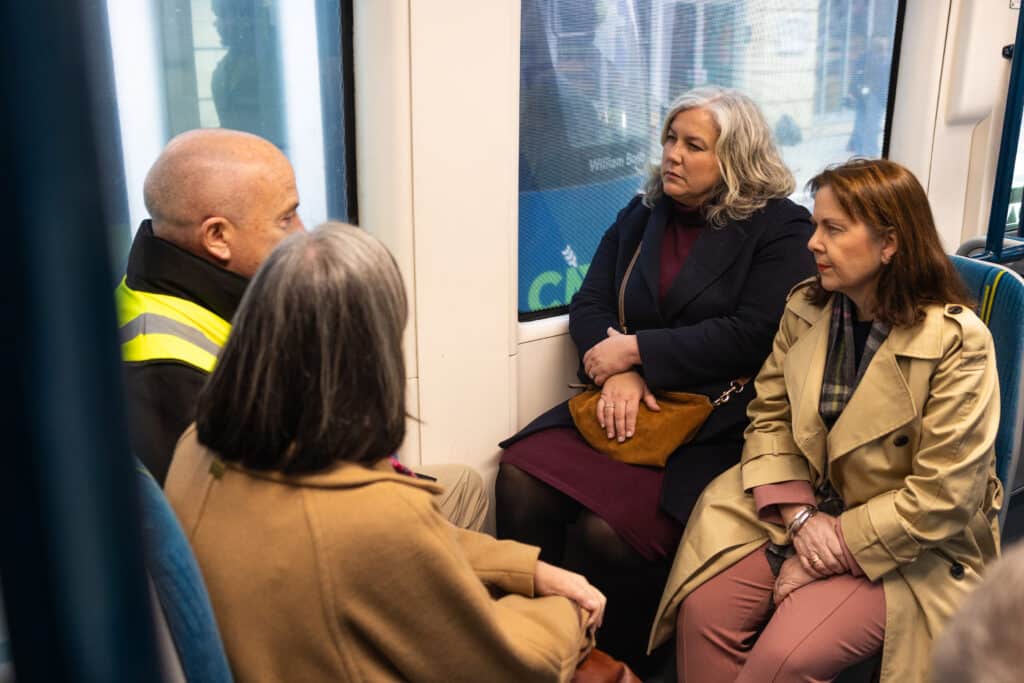
The £6m grant, awarded to East Midlands Combined County Authority, will test whether the Swiss-style, clockwork approach can work in the Peak District.
Called Mini-Switzerland, it will act as a trial for how rural buses and trains can work better together through reliable connections, simple ticketing and clearer information.
For residents, that could mean getting to work or a medical appointment without needing a car, improving access to jobs, education and services.
For visitors, it means exploring the Peak District’s trails, villages and attractions without adding to the congestion and parking pressure that already strains the area’s roads. If it works here, the pilot could offer useful lessons for other rural areas considering how to better connect local buses and trains.
The trial is part of the Government’s Better Connected transport plan, launched in Nottingham this week, which aims to improve travel across the country by connecting roads, buses, trains and trams.
Millions of passengers across England are set to benefit from simpler, more affordable and more joined-up journeys under the strategy launched today.
Nottingham and Derby’s EMCCA-backed Ride app was hailed as a shining example of integrated travel as the Government launched a new ‘Better Connected’ national transport strategy.
As well as Mini-Switzerland, other measures unveiled following the strategy’s launch include a new Google Maps partnership to track rural buses and a Parking Platform to end car app chaos.
Transport Secretary, Heidi Alexander said: “People in rural communities deserve real choice in how they get around, and that is why we are backing this new pilot in the Hope Valley.
“By helping buses and trains run to the same timetable, Mini Switzerland aims to make getting to work or a day out in the Peak District by public transport as easy as jumping in the car.
“This is exactly the kind of practical innovation at the heart of our Better Connected strategy, improving everyday journeys while helping local economies”