
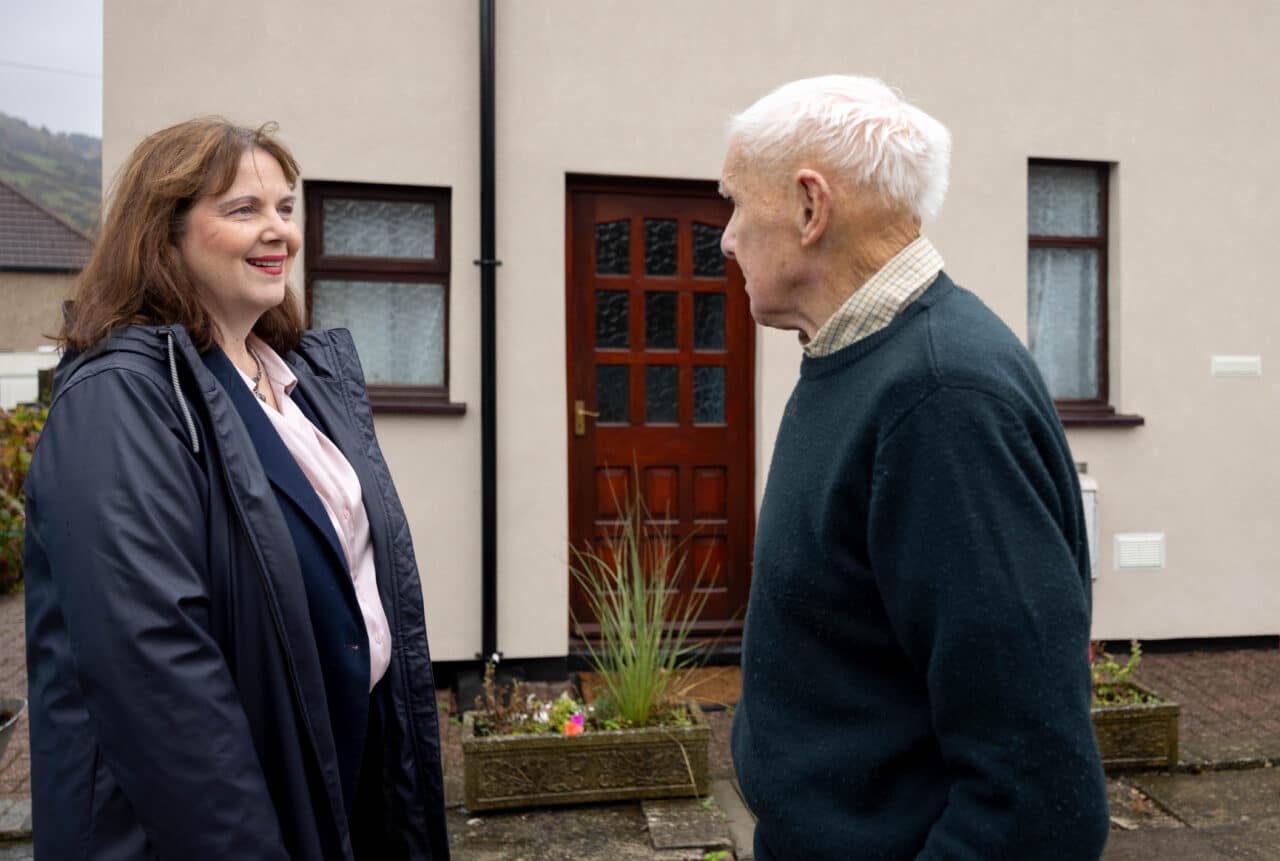
Last week, the Government launched its Warm Homes Plan – the biggest ever public investment to upgrade British homes and cut bills aiming to upgrade five million homes by 2030.
Retrofitting home energy improvements involves upgrading existing homes with energy-efficient technologies – without the need for major reconstruction.
Measures such as loft, cavity and external wall insulation, solar panels, smart heating controls and low-carbon heating systems help homes use less energy while staying comfortable year-round. Once installed, these improvements make homes warmer in winter, cooler in summer, cheaper to run, and better prepared for the future.
Crucially, retrofit allows older homes – which make up the majority of the UK’s housing stock – to meet modern standards of energy efficiency. It improves Energy Performance Certificate (EPC) ratings, reduces carbon emissions, and lowers household energy costs, all while supporting progress towards 2050 net zero targets.
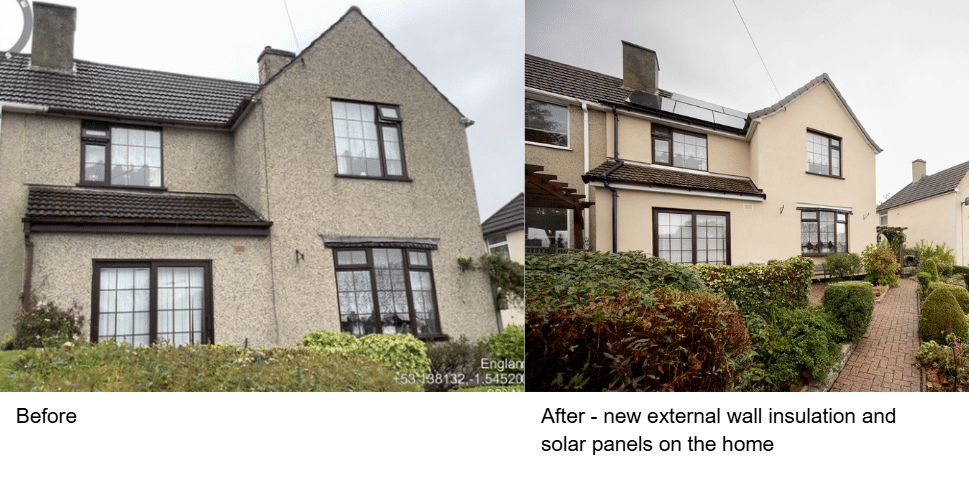
EMCCA’s £9.9 million domestic energy efficiency and low-carbon retrofit programme shows how these benefits translate into real outcomes for residents.
Delivered in partnership with all of the local authorities in the EMCCA region, the programme:
Mayor Claire Ward, said: “Our retrofit programme marks a defining moment for EMCCA. It shows that when we make a promise to invest in our region, we deliver. And I’m proud to say that we didn’t just meet our goals, we overachieved them.
“Every single one of the local authorities in our region played a part in making this happen. Working together, we’ve been able to make homes in our region warmer, healthier, and cheaper to heat – helping families who have faced uncertainty about energy bills for far too long.”
“By continuing to invest in our places, our people, and our partnerships, we can make the East Midlands the best place to live, to work, and to learn. EMCCA is serious about investing in this area, and we’re sending a clear message: there is a future in retrofit, and that future is here in the East Midlands.”
Residents have reported improved comfort, better control over energy bills, and homes that perform better throughout the year. For families previously facing cold, damp homes or rising costs, retrofit has provided reassurance and long-term improvements to quality of life.
Fuel poverty is estimated to contribute to around 155 excess winter deaths across the EMCCA area each year. By improving energy efficiency, retrofit programmes can reduce these risks while cutting school and work absences linked to cold homes.
This programme marks the beginning of EMCCA’s long-term ambition which is set out in our East Midlands Growth Plan. Over the next 10 years, the aim is to retrofit 12,000 homes, building on strong partnerships and sending a clear message: retrofit is central to creating warmer homes, lower bills, and a low-carbon future for the East Midlands.
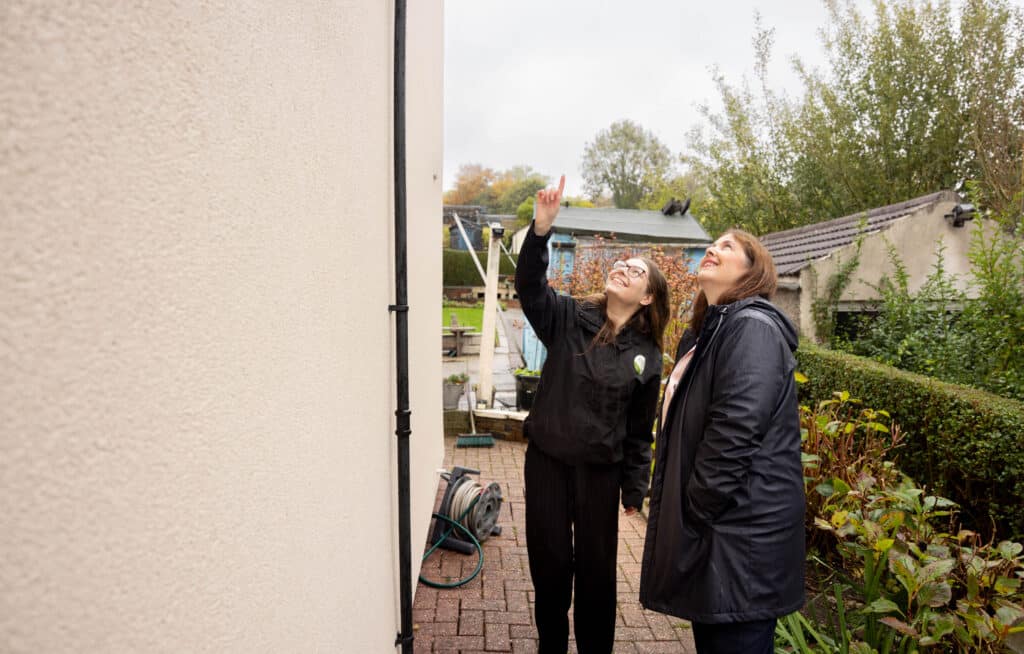
Lower energy bills
The primary aim of retrofit is to reduce household energy use by tackling heat loss and replacing inefficient systems. Better insulation, smarter controls and renewable technologies help residents use less gas and electricity, reducing exposure to volatile energy prices and improving financial security.
Improved comfort and health
Well-insulated homes are warmer in winter and cooler in summer, with fewer draughts and cold spots. When combined with improved ventilation, retrofit can also reduce damp and mould, improving indoor air quality and supporting better physical and mental health.
Future-proofing homes
With energy prices remaining uncertain and carbon reduction becoming increasingly important, retrofit helps future-proof homes. By investing now, households are better protected against rising costs and future regulation, while benefiting from modern, sustainable technologies.
Cutting carbon emissions
Residential housing is a major source of carbon emissions. Retrofitting existing homes plays a vital role in reducing emissions at scale, complementing new-build standards and accelerating progress towards net zero.
Stronger partnerships and better value
Retrofit programmes work best when delivered through partnerships between local authorities, housing associations and regional bodies. Independent analysis shows that every £1 invested in housing improvements can deliver around £2 in wider public-service savings, including reduced pressure on health and social care services.
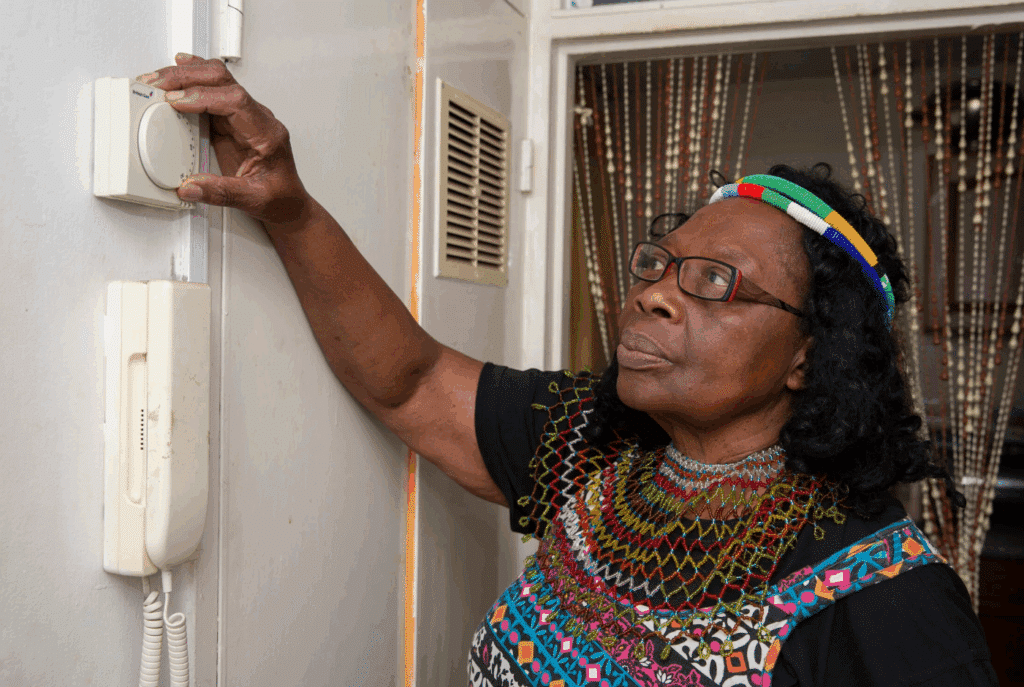
There is further funding for residents to improve the energy efficiency and lower their bills through the Warm Homes: Local Grant scheme. Find out more and register your interest here.
Nottingham Energy Partnership is also offering expert energy advice to residents across the East Midlands. Get support on the HEAT Hub website.